Oxfam, Inequality and the Question We Avoid: What Is the Economy For?
If the purpose of the economy is misaligned, economics has very little to add. Technical fixes cannot heal a system that no longer knows why it exists.
If the purpose of the economy is misaligned, economics has very little to add. Technical fixes cannot heal a system that no longer knows why it exists.
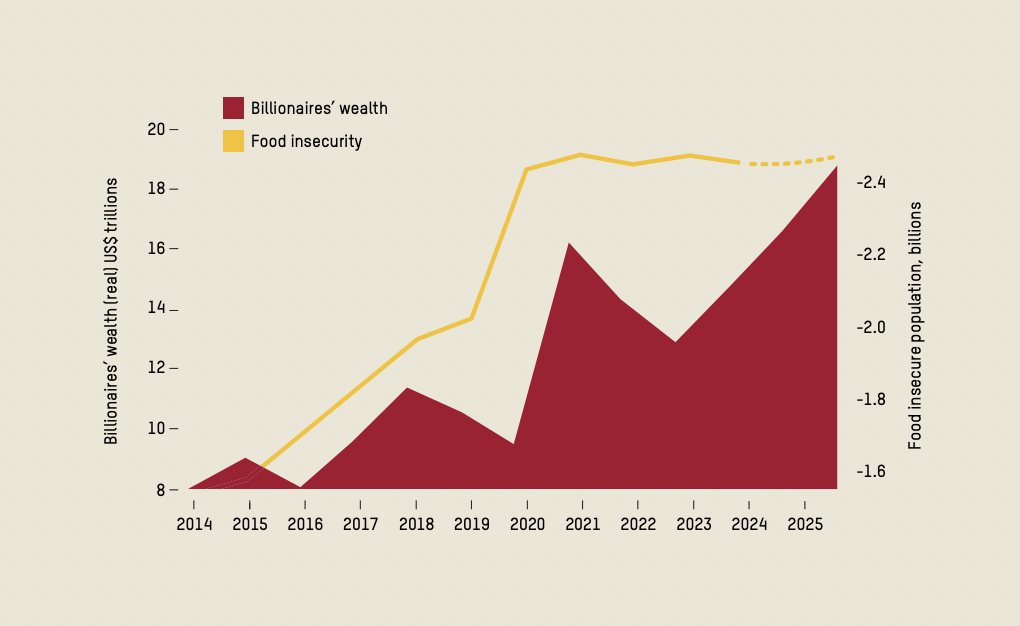
The report Resisting the Rule of the Rich, published by Oxfam, provides an important diagnosis of the current phase of global capitalism.
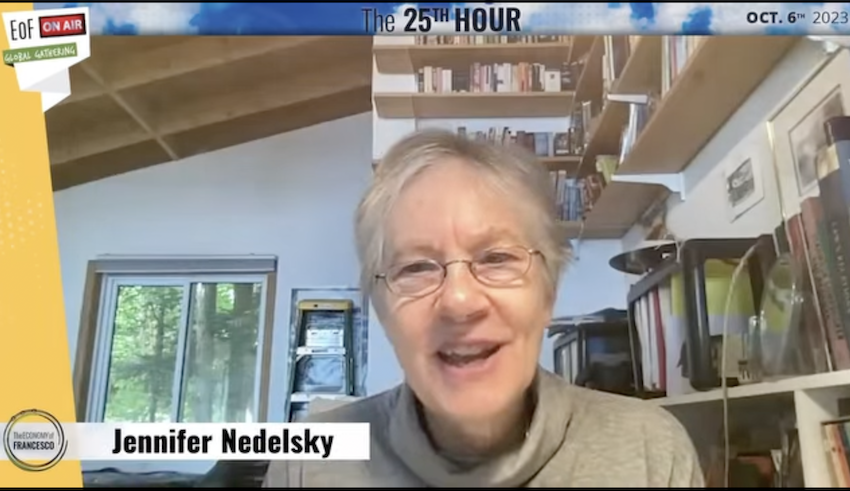
This short paper builds upon the recent work by Jennifer Nedelsky and Tom Malleson, titled Part-Time for All: A Care Manifesto. The authors present a strong case for reimagining modern societies with a focus on care norms and practices. Care is intrinsically valuable and should not be exclusively linked to gender or perceived merely as a secondary concern in relation to work.
The prevalence of capitalism in today’s global economy underscores the necessity for alternative economic paradigms, driven by concerns over the dominance of profit maximization and extraction within autonomous and free markets.
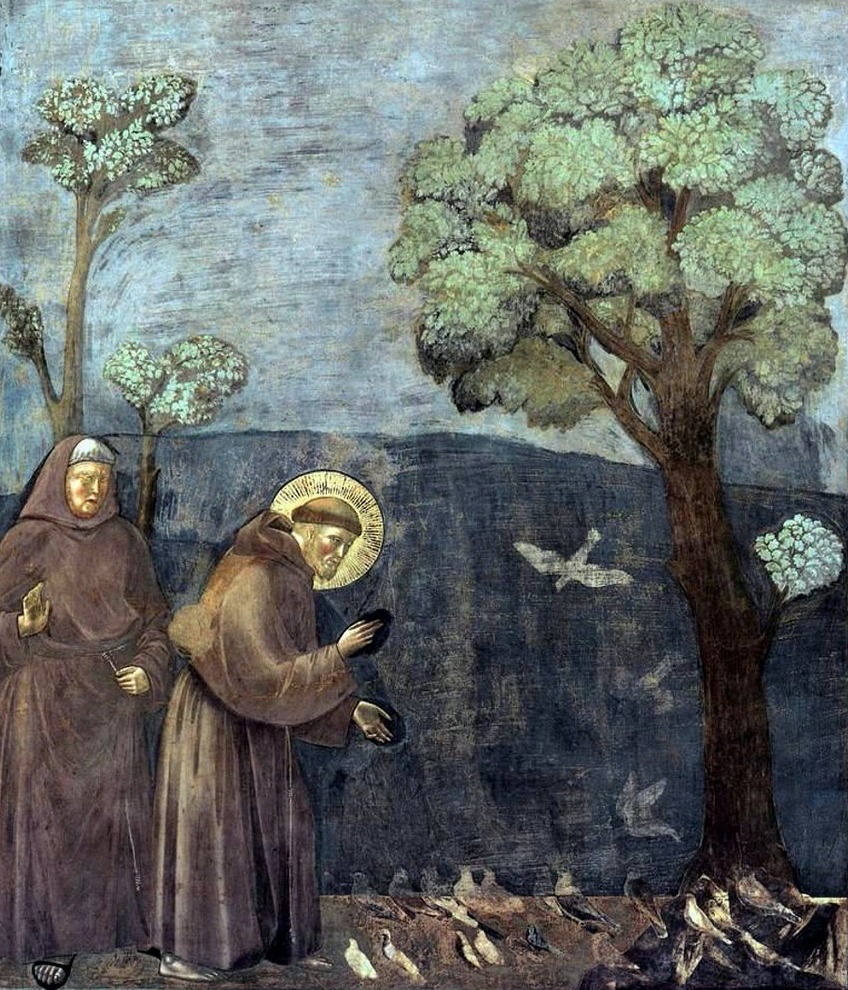
This paper explores the presence of Francis of Assisi across Irish and British literature from the 1960s to the 2010s, through the study of a poetic trajectory centring on a popular episode in his hagiography known as ‘the preaching to the birds’.
In a societal context where companies are expected to address wicked problems, this article advocates for advancing marketing communication-actions to promote Commons care grounded in the Circular Subsidiarity and, more broadly, the Civil Economy paradigm.
Fighting hunger and poverty is not just a moral imperative; it is also an economically sound measure. By overcoming poverty, individuals can contribute productively to their country’s development, boosting economic productivity and including marginalized populations in society and the consumer market.
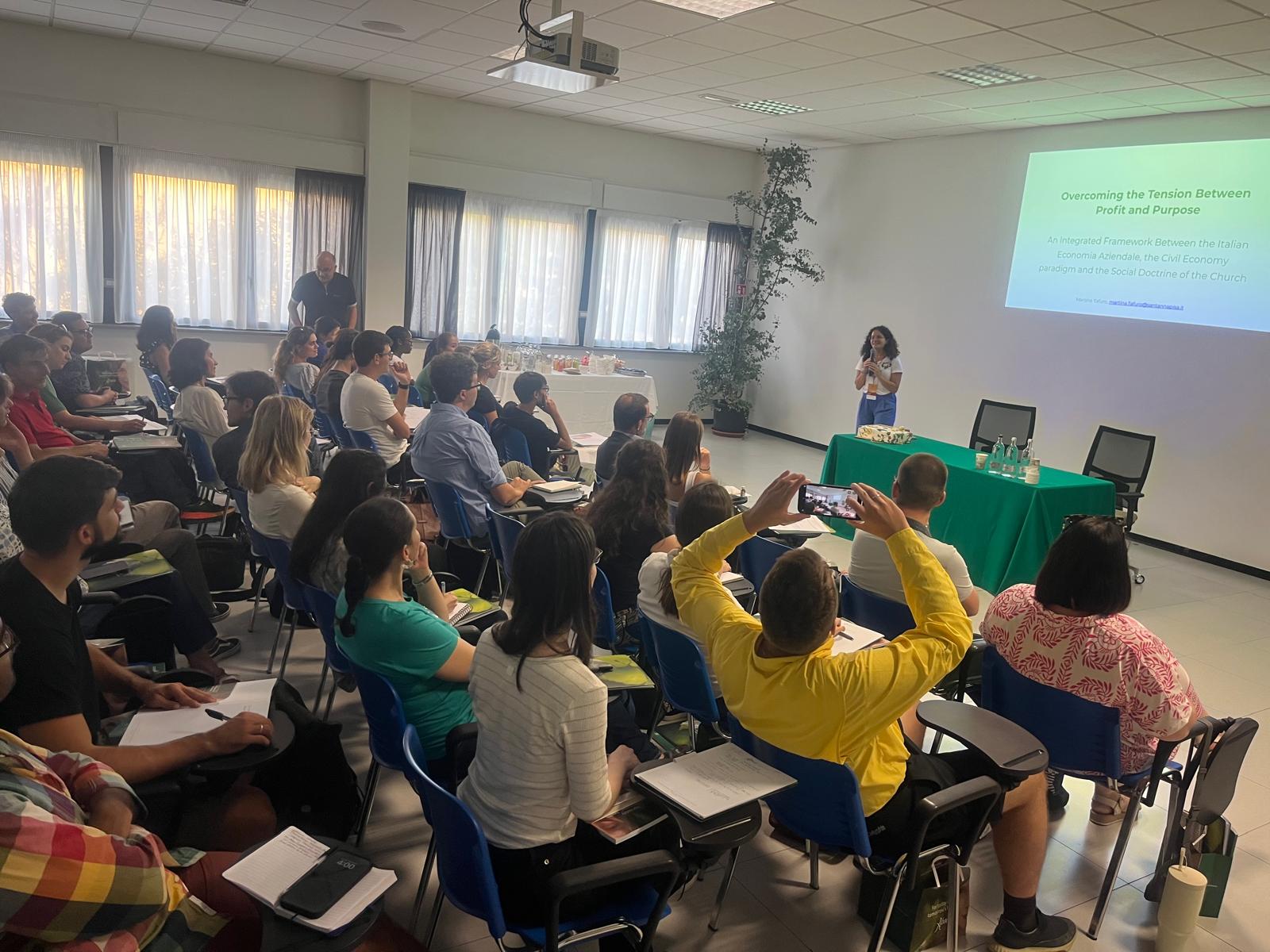
L’articolo affronta la tensione tra profitto e scopo delle imprese, proponendo un framework integrato tra Economia Aziendale, Economia Civile e Dottrina Sociale della Chiesa.
The question guiding this analysis is: Is it possible to measure the ecological transformation of the Catholic Church?
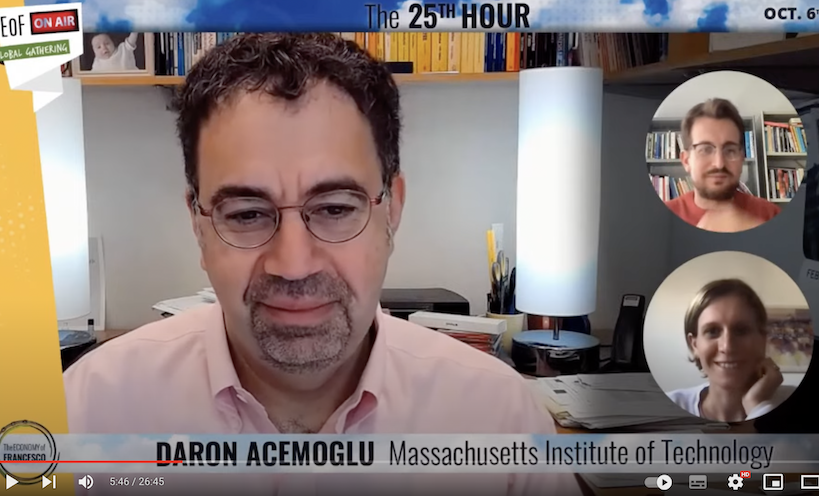
“for studies of how institutions are formed and affect prosperity” - Comments from two EoF researchers


2025 © The Economy of Francesco Foundation | All Rights Reserved | Powered by TeamDev Ecosystem