The Electoral Effects of Conditional Cash Transfers

August 11th, 2026|Academy Proview, EOF ProView|

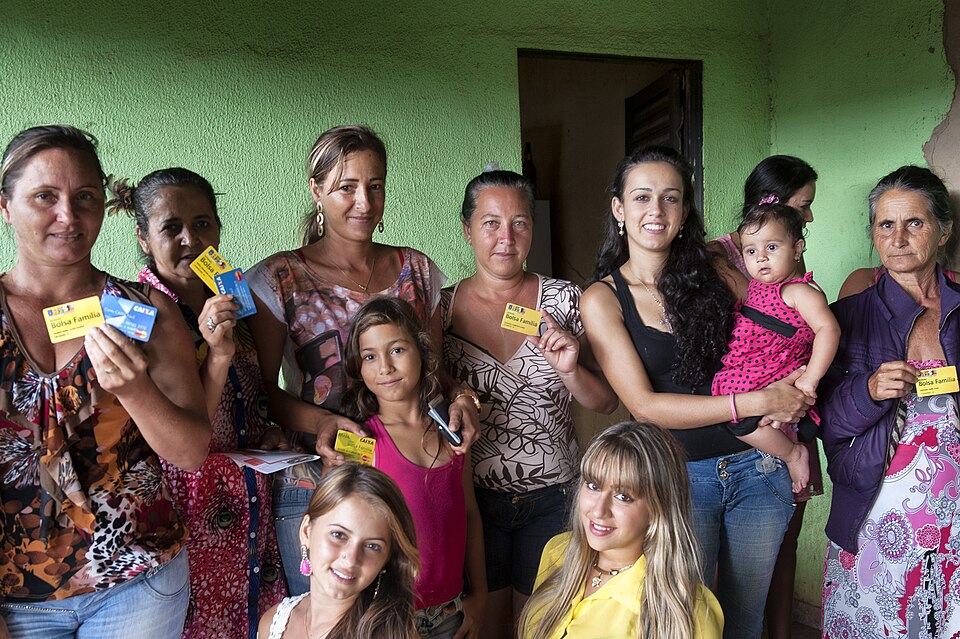
While the benefits of CCTs are well established, the literature on the electoral gains derived from CCT implementation has found varying results regarding the response from voters after its introduction. A metastudy by Araújo finds generally positive impacts from CCTs on incumbents’ vote share, but articles such as Imai et al. for the case of Mexico document no effects on incumbent support or even electoral turnout

Intellectual Care: The Practice of Care Ethics in Higher Education

August 11th, 2026|Academy Proview, EOF ProView|

Care cannot be relegated to the home and the private sphere, nor to specific groups of people; care can and ought to be practiced by all, in many different areas of life – also those areas that we do not conventionally associate with care, such as university institutions. With this in mind, the aim of this study has been to answer the question of how we can recognise and understand the practice of care at university institutions.

Can climate action be driven by humanity and ethics?

August 4th, 2026|Academy Proview, EOF ProView|

Peru exhibits seven of the nine primary factors that render a region highly susceptible to climate change risks, as outlined by the Peruvian Ministry of Environment. Despite this, progress on climate adaptation is slowing on all fronts when it should be accelerating, according to a United Nations Environment Program Adaptation Gap report, a failure that has massive implications for losses and damages, particularly for the most vulnerable.

Ownership and the Humane Economy

August 4th, 2026|Academy Proview, EOF ProView|

We are taught to think about things in particular ways. The way we are taught to see the world, and the “rules” that structure it, change how we interpret the world. The limits of our moral imagination - including the potential to envision an economy befitting human dignity and supporting the common good - are often calcified as a result of this early formation.

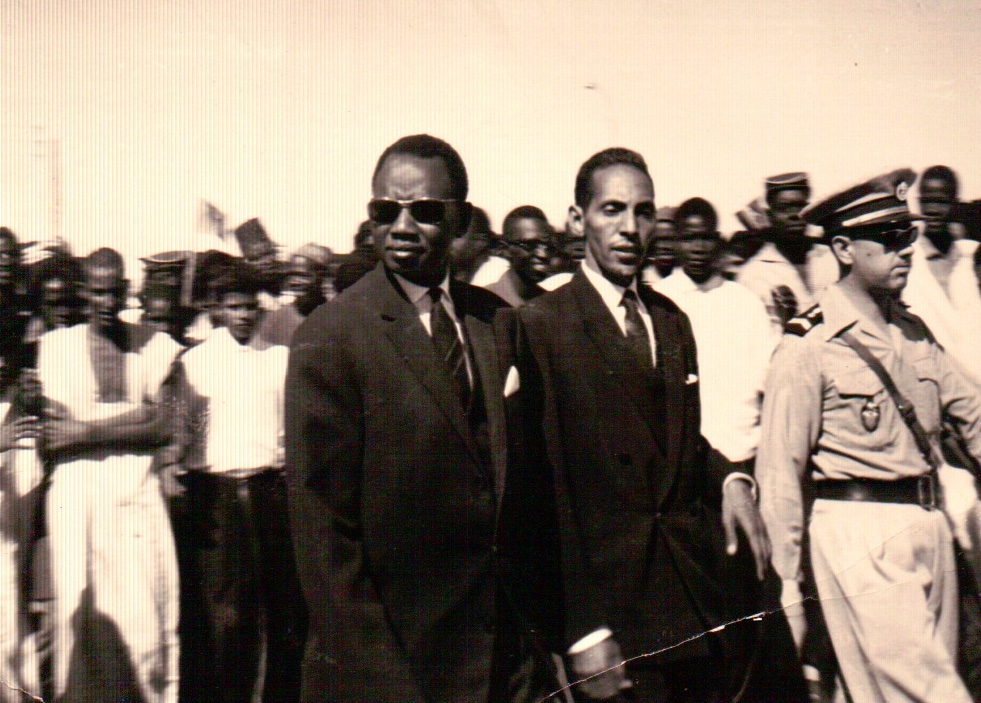
Between “reality on the ground” and a “new humanism”: the anthropology of Mamadou Dia

July 21st, 2026|Academy Proview, EOF ProView|

While the latter explores competing imaginaries of economic solidarity in contemporary Senegal, my EoF fellowship research has allowed me to situate current developments within a longer history of local economic thought, by excavating local ideas around “alternative” and “solidarity” economies, and the way that economic thinkers have drawn on anthropology and theology. A particularly interesting figure in this regard is Mamadou Dia.

When Reducing Food Waste Leads to Overeating: Understanding an Overlooked Household Trade-off

July 14th, 2026|Academy Proview, EOF ProView|

Many people have encountered situations where food remains after a meal. Once everyone is full, households often face a choice: throw the remaining food away or continue eating it.

The rules were clean. The outcome wasn’t. What two Mexican states teach us about power and reciprocity

July 14th, 2026|Academy Proview, EOF ProView|

We tend to believe that good people make good economies. If only those who hold economic power were more conscientious, more responsible, more aware of the common good, the thinking goes, our systems would become fairer and more sustainable. This hope, while not wrong, is incomplete.

Go to Top