#TowardsRestartingTheEconomy
“Running to Change the Economy”:
the Challenge of Central American Youth
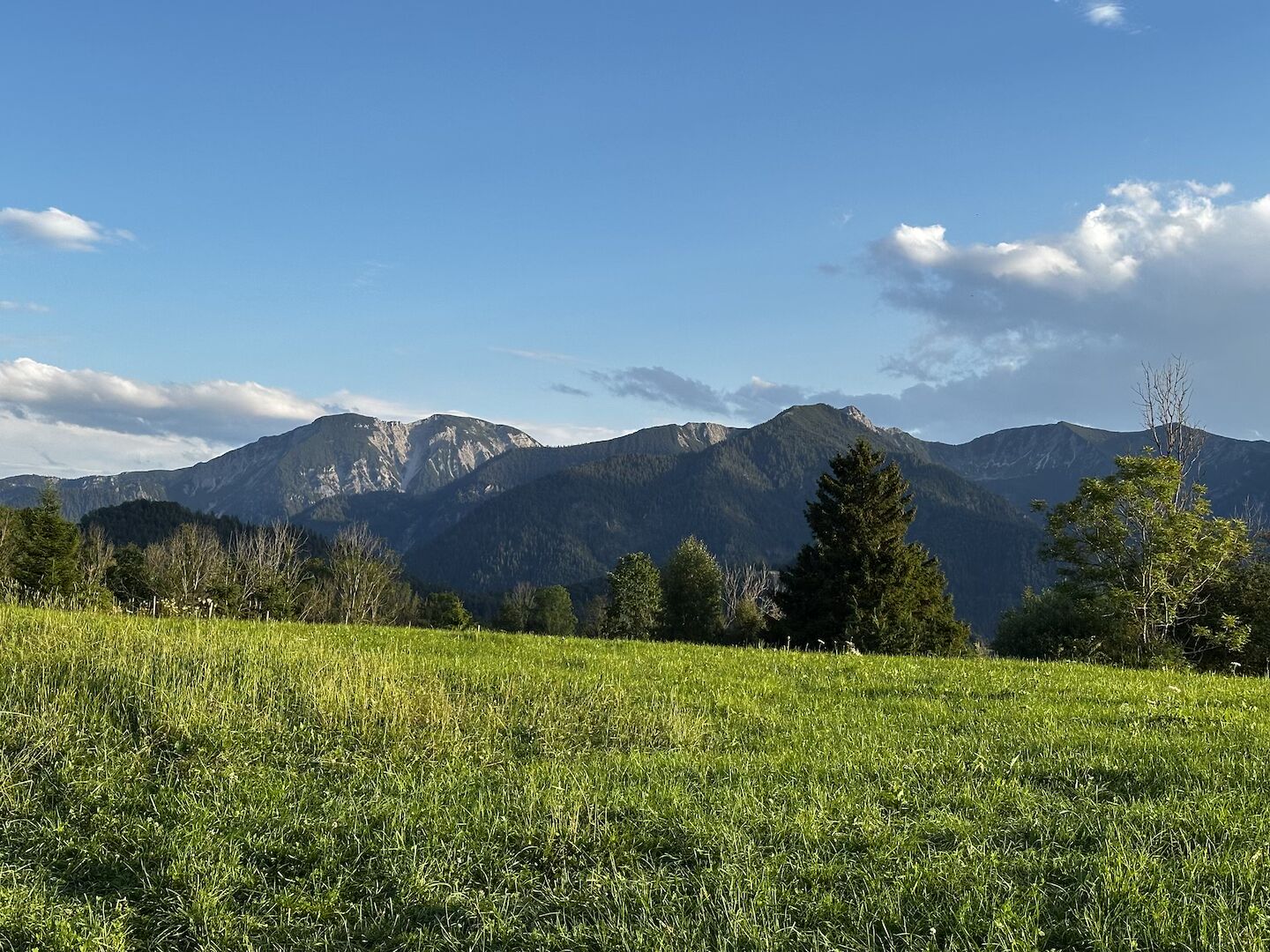
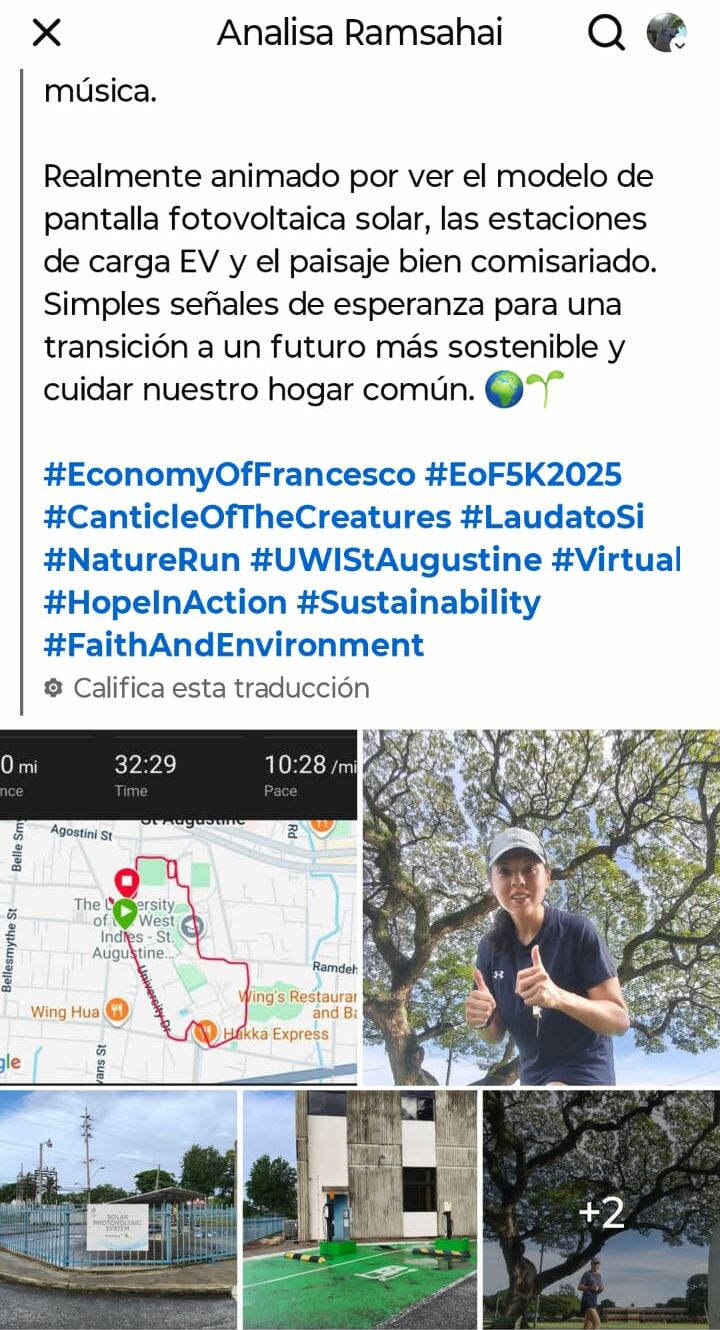
There were no banners and no official timers. No finish line to cross, no podium to climb. And yet, between August 9 and 17, in dozens of cities and villages across Central America, hundreds of young people set themselves in motion. On foot, by bicycle, in wheelchairs, some even dancing in the streets.
Each chose their own path, their own way of moving, their own pace. All it took was to register online, select a mode—running, walking, cycling, or “creative movement”—and then record the kilometers covered using an app or entering them manually on the platform. Everything was free, everything open: a collective experiment that turned the simple act of moving into a declaration of intent.
The call was clear: Ca-rrera para Reiniciar la Economía. A virtual race, yet with a real spirit, to affirm that another economy is possible. Promoted by the Central America hub of the global movement The Economy of Francesco, the initiative aimed to bring together sport, social justice, and community spirit on the occasion of International Youth Day.
The message is simple, yet powerful: the economy does not change only with theories. It changes with the body, with daily gestures, with the ability to set out on the road—even symbolically—to trace new paths.
“It’s our way of uniting hope and action,” the organizers explained. “Every step becomes a political act, a community gesture, a contribution to a vision that places dignity, inclusion, and the future of new generations at the center.”
To better explain the spirit of the race is Francisco Antonio Chavarría Solano, an economist with experience in research, teaching, and public policy analysis, specializing in regulation and behavioral economics. A member of the Secular Franciscan Order and of the Economy of Francesco movement, Chavarría emphasizes that the initiative is not merely symbolic: “The search for a new economy begins with small acts of community. Walking, running, or cycling together becomes a concrete way to turn the desire for justice into real movement.”
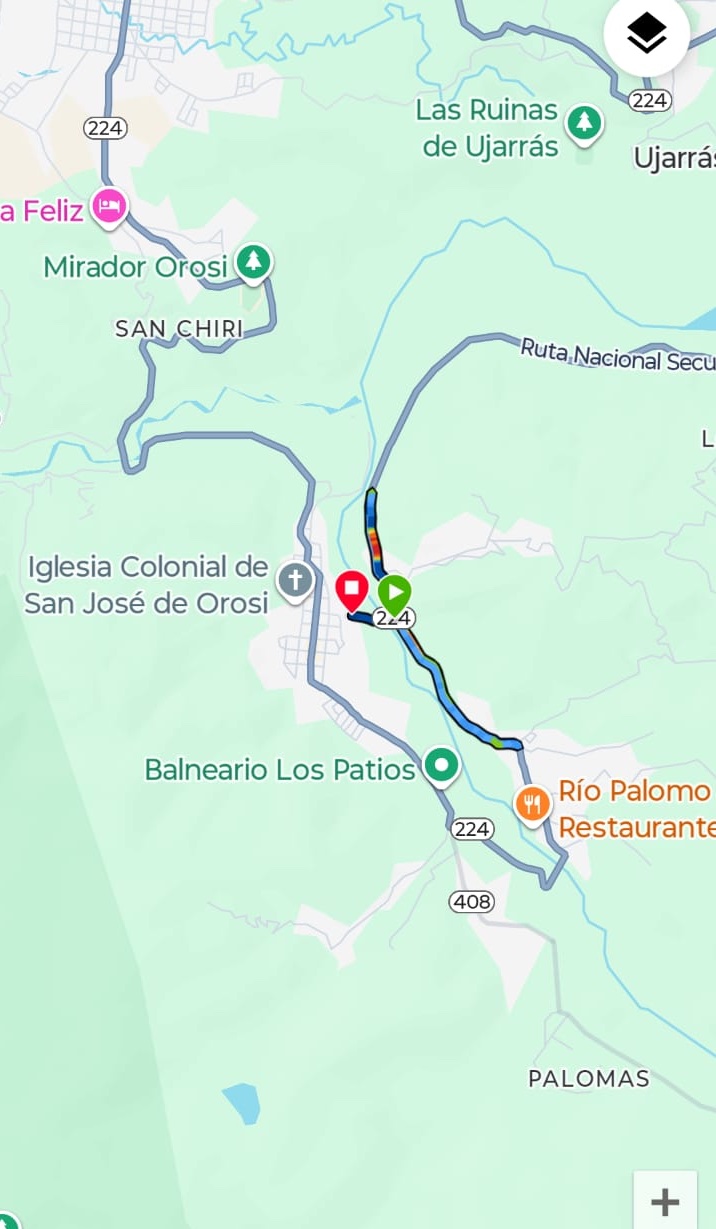
Behind the lightness of the game and the sporting challenge are also significant numbers: 52 registered participants from 13 countries (including Germany, Armenia, Brazil, Costa Rica, Croatia, Cuba, Guatemala, Iran, Ireland, Lesotho, Peru, Trinidad and Tobago, Venezuela), 205 kilometers covered and approximately 293,000 steps, for a total of 40 hours invested in quality of life, reflection, and positive energy.
A mosaic of small efforts that, when brought together, ignited the spark of greater change. Because—as the young people of Economy of Francesco remind us—the economy of the future will not be born only in lecture halls or in government buildings, but also on the roads traveled by those who, with courage, choose to move in the direction of hope.
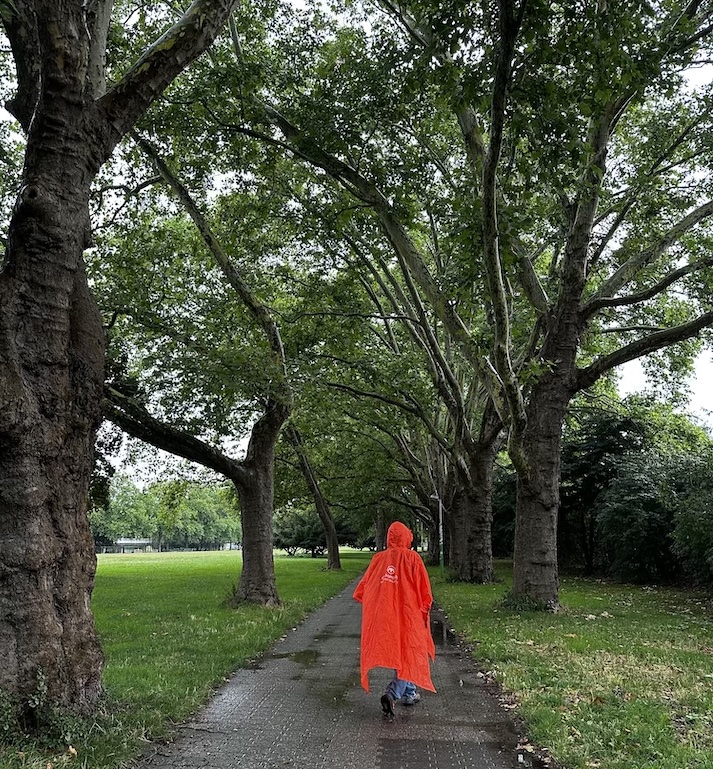
Francisco Chavarría is part of the Central America Hub of the Economy of Francesco and among the promoters of the race. For him, the idea of the Ca-rrera para Reiniciar la Economía was born from a simple yet powerful intuition: connecting body, movement, and economic imagination.
“The connection with nature and with the city speaks to us through its signs and elements,” he explained. “They are the foundation of a call to reanimate the economy, so that environmental and social balance become part of generating intergenerational wealth.”
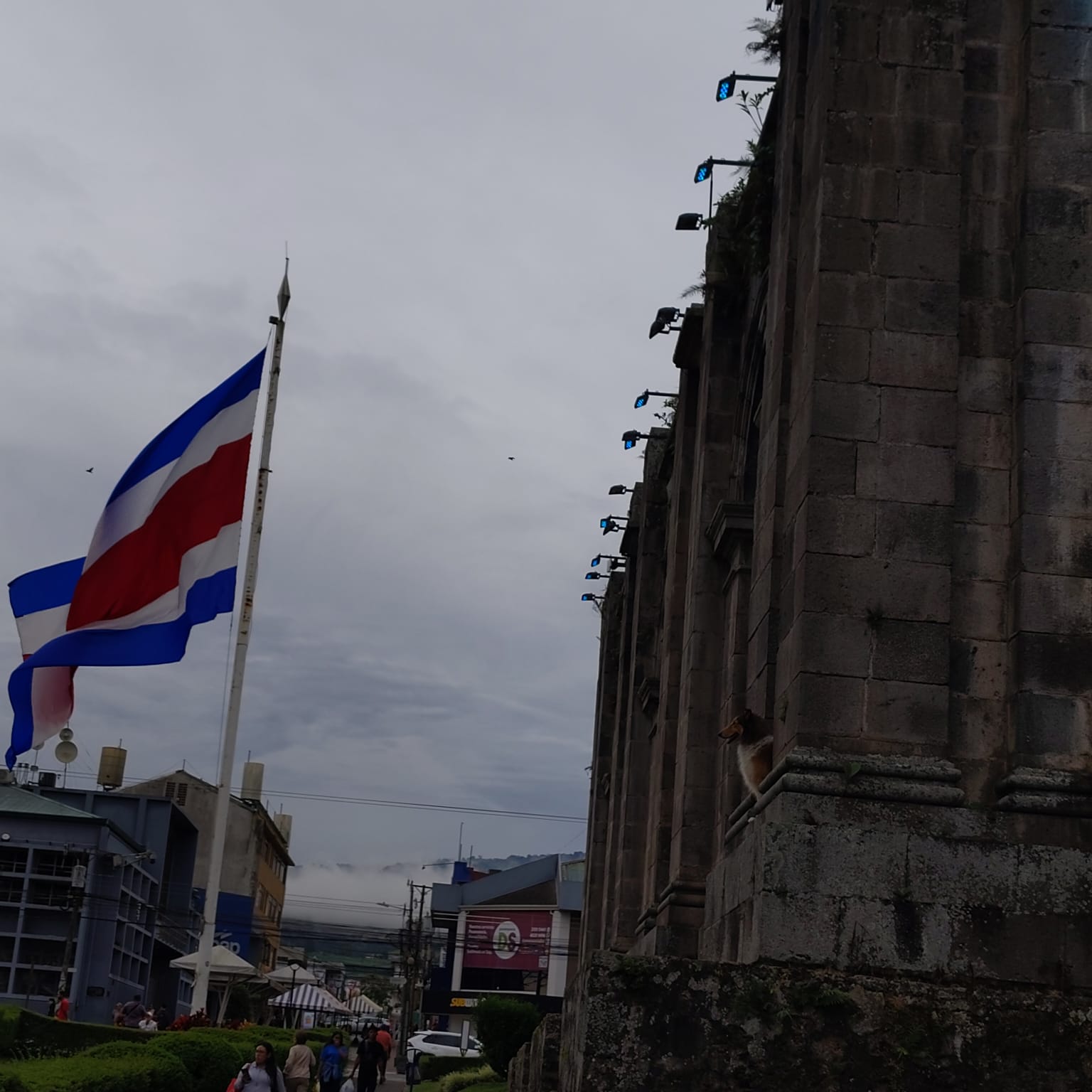
In the vision of the organizing group, the race is directly linked to the appeal made by Pope Francis to the young people of the Economy of Francesco: an invitation to move together, to feel part of a global change starting from small daily actions.
“The search for a way to be united and in motion, through activities like walking, running, or cycling, allows us to come together, to see reality, to be inspired, and to think of ideas for change,” Francisco shared. “This was the Pope’s call to the EoF community, and from Central America we want to amplify it to the rest of the world.”
The structure of the initiative was designed to be simple, accessible, and open to all. General information was shared through the official Economy of Francesco website, while registration and activity tracking took place on the Wens.pro platform, designed specifically for decentralized sporting events.
“From the EoF site comes the call, the invitation,” Francisco explained. “But it’s on the Wens.pro platform that each person registers in their chosen category—walking, running, or cycling—and where times are recorded at the end of the selected activity. It’s a very user-friendly platform, created precisely for this kind of event: anyone, wherever they are, can join a community with a shared purpose.”
One of the most original aspects of the race was its accessibility: no entry fees, only the option of a voluntary donation to fund scholarships. A choice consistent with the values of justice and inclusion that run through the movement.
“Most of the EoF community is made up of young people, and paying for events like this could be a barrier,” Francisco noted. “Not only to participation, but also to exercising and leaving room for imagination. That’s why we decided not to charge anything and to look for ‘anonymous sponsors’ who could make the Ca-rrera possible. At the same time, this choice aligns with the spirit of a supportive community, willing to support a young Central American who wants to take part in the EoF event in November and share in Rome the work carried out in our region.”
The chosen format—virtual, flexible, at one’s own pace—is also an integral part of the message. “With the pandemic we inherited virtuality, but today we don’t want to experience it in loneliness and isolation,” he clarified. “We want to use technology to stay united, break down borders, and co-create community: a universal fraternity. That’s why the Ca-rrera takes advantage of the Wens.pro platform to create this network of people in motion. Each one, according to their possibilities and life context, can go out, observe, and recognize even the smallest need. Every need is the start of a change toward a more sustainable world, where profit is not the center of business, but creation is. Where gains go beyond short-term monetary value.”
A concrete goal of the initiative was to support the participation of Central American youth at the global summit in November, through targeted scholarships. But it is not just about numbers or registration fees: it is about offering a real opportunity to those who otherwise would not be able to attend.
“We want to support students from rural areas, in conditions of vulnerability or inequality, with ideas capable of proposing change in their context,” Francisco explained. “Participating in the summit should be a push to take a leap, to activate something concrete in their own communities.”
For this to happen, however, a symbolic event is not enough. Accompaniment is needed. That is why the Central America Hub planned follow-up and mentoring for the ideas born from the race, with the goal of turning them into real initiatives.
“We commit to giving support and monitoring to the proposals or ideas that emerge, so they can come to life. Evaluation will start with a baseline and then measure impact based on the results achieved.”
According to Francisco, Central America—too often seen as a marginal region—has much to offer the global Economy of Francesco movement. And it’s not just about numbers.
“Central America is not among the regions with the most participants, but that doesn’t mean there is less action,” he emphasized. “On the contrary: we bring highly qualified human capital, ideas, constructive critiques, and proposals rooted in reality, which can serve as models for other communities around the world.”
And for those who still don’t know EoF?
“Hope for a more just and sustainable world begins with a thorn in each person’s heart, the one that doesn’t let you stop. And from there, from the creativity set in motion to reach the common good, something great can be born. To awaken that seed, it’s enough to step outside and walk, run, or ride with purpose. Then, if you’re interested in learning how to contribute according to your gifts, you can learn more about the proposals of EoF.”
Finally, an invitation to the media and those with a public voice: “Media and influencers can do a lot: share the initiative on social networks, talk about it with friends and family. But above all, commit to spreading positive news that shows how a new economy— inclusive and sustainable— is not a utopia. It is a reality already blooming in every country where the Economy of Francesco is taking root.”
Running to Stay
In a time when people often run to escape, to compete, or to chase after something, the youth of Central America chose to run to stay. To take root, to give shape to a concrete hope, to restart—even symbolically—an economy truly at the service of life.
They did it with lightness, but not superficially. With sneakers on, but with a deep vision. And with the awareness that the most difficult transformation is not that of institutions or markets, but the one that passes through the heart of people.
“Hope for a more just and sustainable world begins with a thorn in each person’s heart,” Francisco said.
That is where the journey begins. And where the dream of an economy that finally restores dignity, relationships, and future can take root.