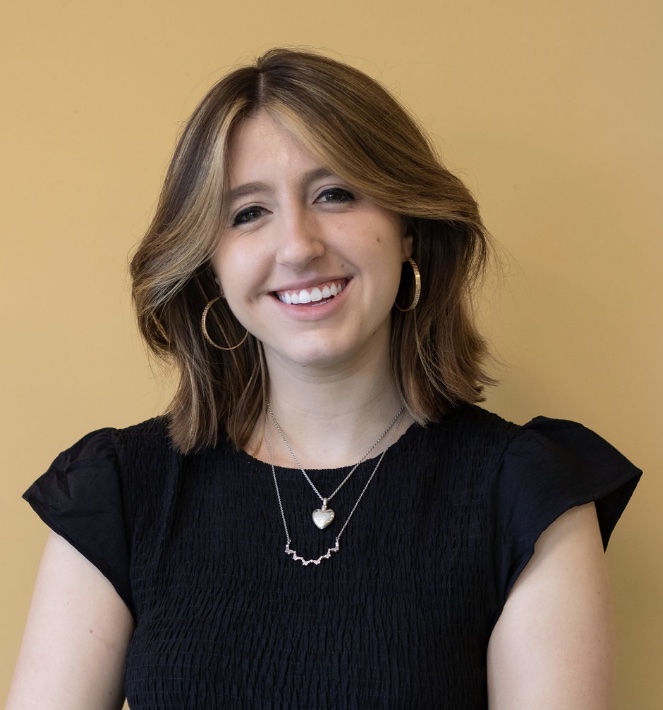
“What if aging were a matter for the young?” This is the question that sparked the reflection of 23-year-old Arielle Galinsky. A student between Harvard and Yale, she has been caring for her grandparents since her teenage years. “It’s not just family assistance,” she explains, “it’s a cultural and political battle.” For her, building a just economy must begin with care.
Millions of young people like Arielle live this fragile balance. In the United States alone, more than 3.6 million under-25s are engaged in some form of family caregiving: school, work, dreams… and meanwhile caring for a father, a mother, a grandmother. This is why Arielle founded a national network, The Legacy Project, bringing the voices of young caregivers into the places where aging policies are shaped. “When we invest in an aging policy today, we build a new social pact — based on intergenerational justice, equity, and the possibility for everyone to age well.”
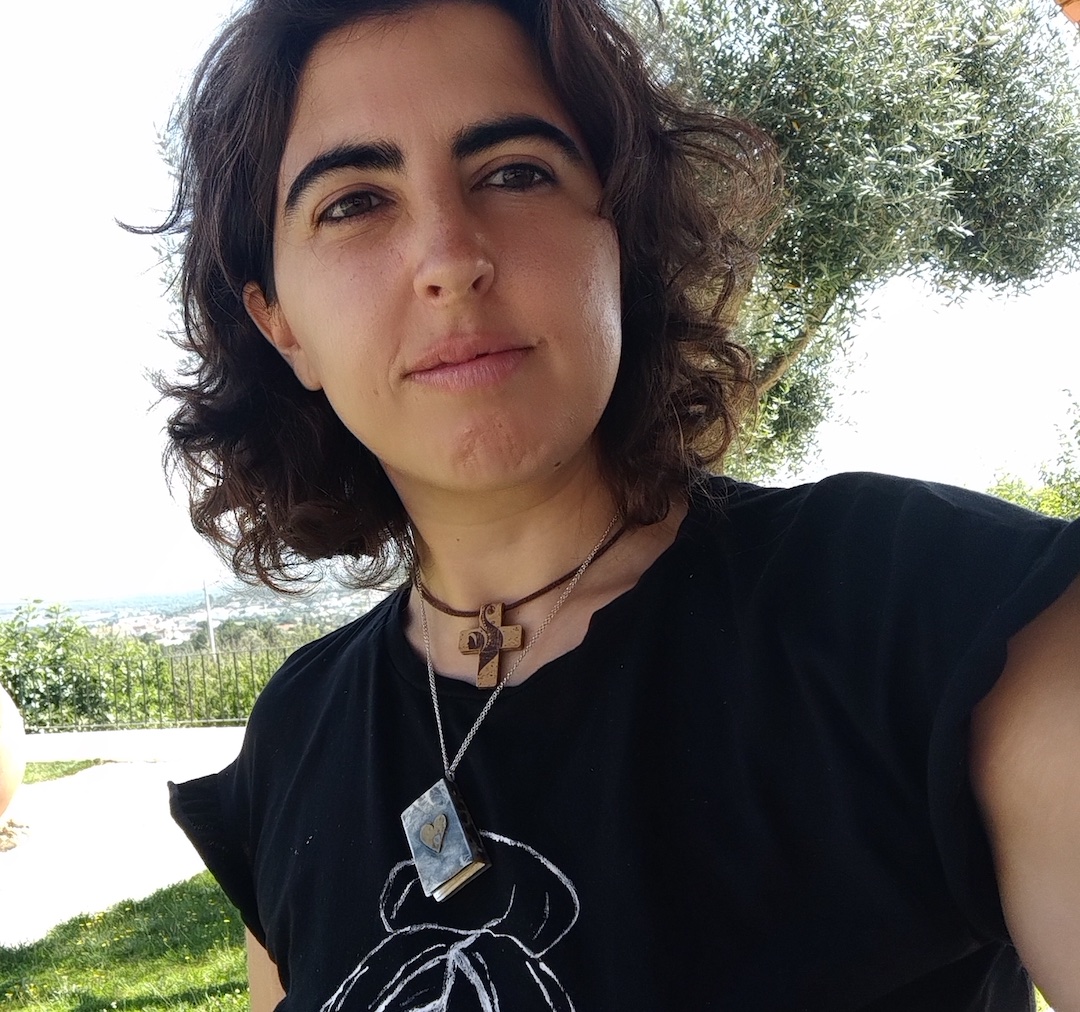
In Portugal, in the region of Covilhã, another young woman has chosen to start here. Leonor Centeno has a background in management, but today she takes care of a rural house with a vineyard. Her idea was born from observing two realities that rarely connect: the aging population and the annual arrival of thousands of university students. Her project is simple but radical: to create an intergenerational village where students and older adults can live together, sharing time and space. “I imagine a place where relationships matter more than efficiency, where aging does not mean isolation but vibrant presence.” Not a retirement home, but a community.
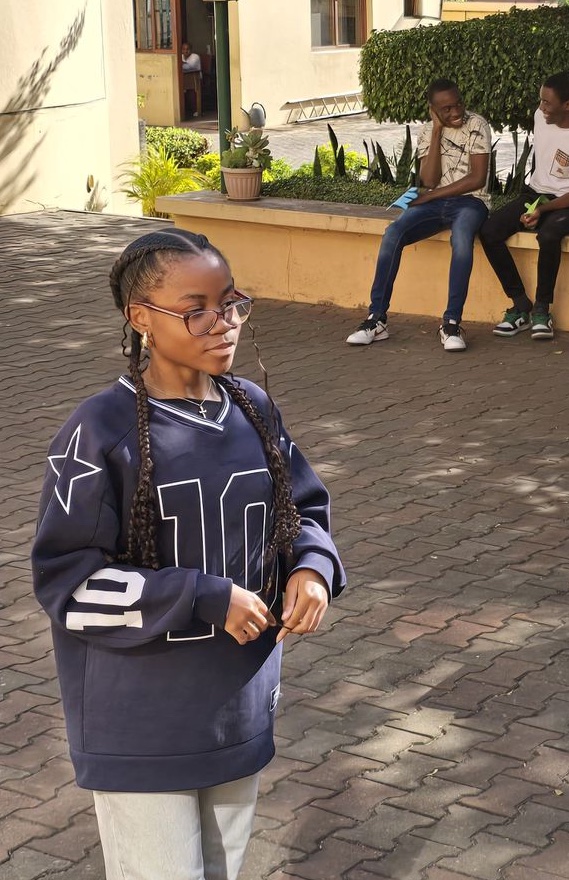
Across the ocean, in Maputo, Mozambique, 16-year-old Nicolye Mondle is both catechist and radio speaker. Every week, she leads meetings of the TeenRosa project, a space for teenagers in search of trust and guidance. “We help young people get to know themselves. To name their emotions, to distinguish words from shouts, silence from fear.” Among the most beloved activities is a treasure hunt called Mission: Teenage Trailblazers. At each stop, a question about choices and values. By the end, each participant builds their own map of the future. A way to learn to care for oneself — and for others. “I believe every change begins from within. If we learn to listen, we can become courageous, empathetic teenagers. And maybe, one day, better adults.”
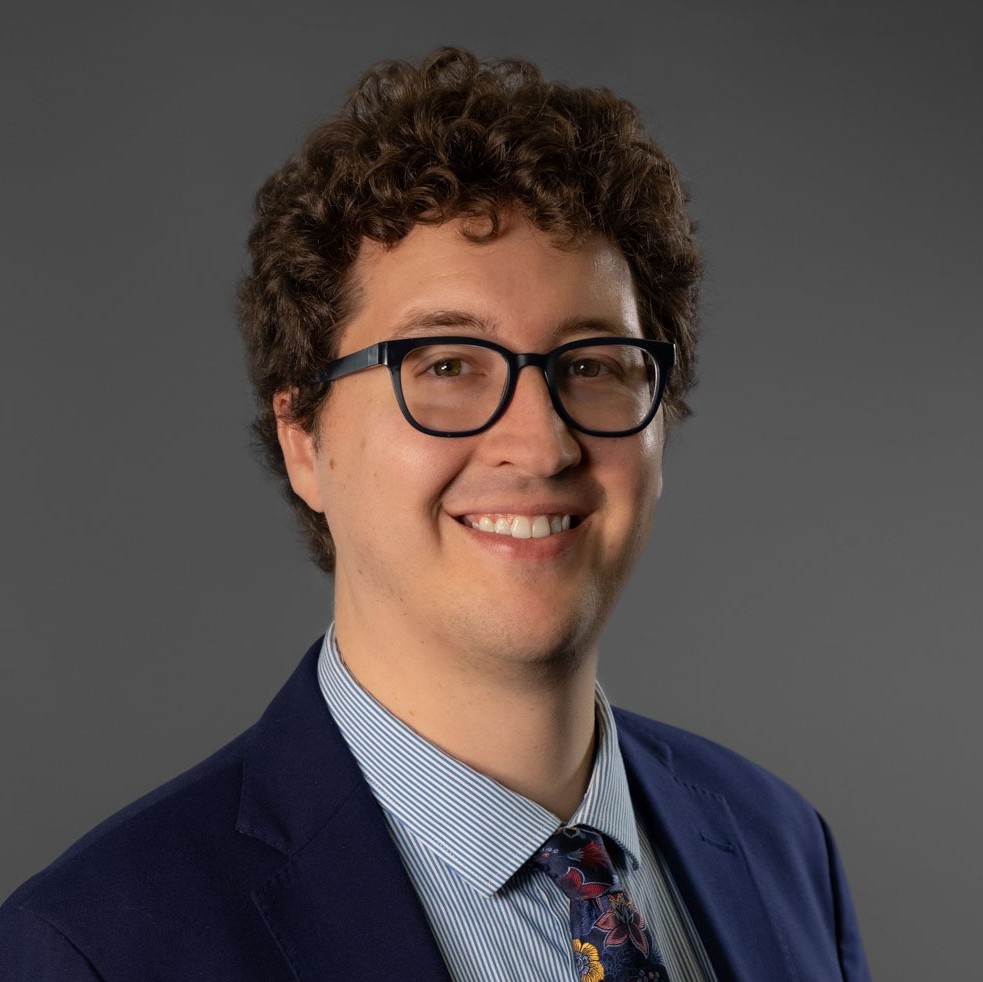
Tony Guidotti is a senior researcher at Harvard Business School, where he coordinates The Ownership Project. His work starts from a precise intuition: ownership structure is not neutral — it can become a powerful tool for building a humane economy, one capable of sustaining dignity, generating relational goods, and responding to environmental and social challenges. Guidotti urges us to rediscover its transformative potential: forms of shared, fiduciary, or community ownership can restore centrality to social bonds. “Without a deep reflection on ownership,” he explains, “we will never truly be able to rethink the economy.”
What ties these stories together is not a common program nor a manifesto to be signed. It is the recognition, each in their own way, of the invitation Pope Francis addressed to young people in 2019: “Give a soul to the economy.”
From that call, The Economy of Francesco was born — an international movement that unites young economists, entrepreneurs, scholars, and activists committed to rethinking the economy starting from justice, care, and dignity.
This article is the first in a series that will accompany readers until November, telling sixteen stories from around the world. Each chapter will focus on a theme: care, as in this first installment, then ecology, marginal territories, women’s leadership, technology at the service of the common good, and the great visions that challenge our time.
In November, the sixteen protagonists we will come to know, along with hundreds of other young people, will gather in Castel Gandolfo for the global event Restarting the Economy, the Jubilee of the economy promoted by The Economy of Francesco.
There they will share stories, ideas, and concrete solutions — born from the grassroots and rooted in their territories. They will listen, exchange, and together seek new words to tell of an economy that does not divide, discard, or exploit, but one that safeguards life and generates future.