
Why Economic Ethics Still Matter 800 Years After Francis
What remains today of Francis’ prophetic vision within our economic systems? What fruits have matured — and what seeds are still awaiting cultivation?
What remains today of Francis’ prophetic vision within our economic systems? What fruits have matured — and what seeds are still awaiting cultivation?
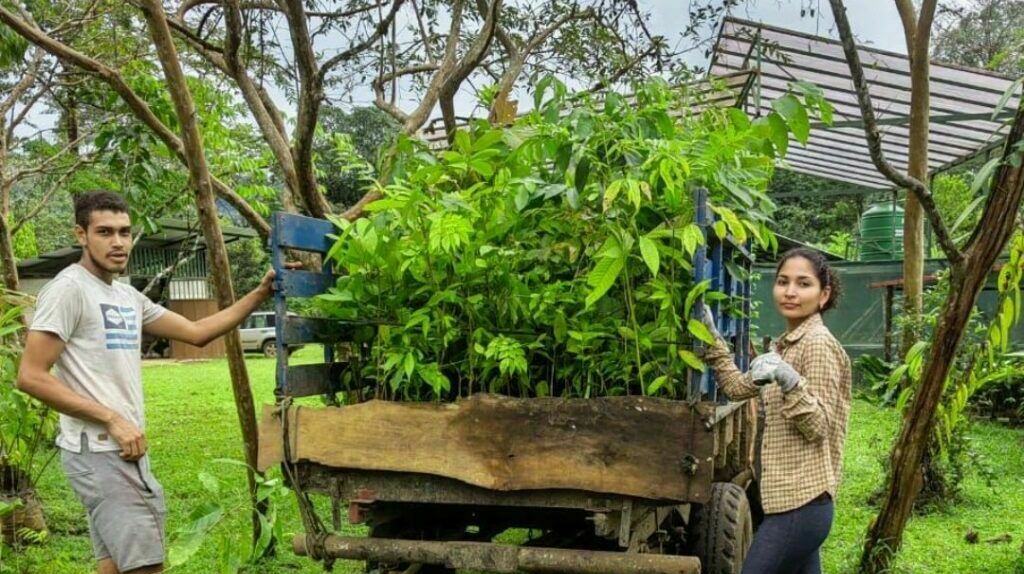
Audrey and Anna live in two distant worlds — Indonesia and Slovakia — but share the same vision: the economy is not a system of numbers; it is a network of relationships. In their journeys, female protagonism is not a claim but a practice: shaping, through work and life, an economy capable of generating beauty and future.
From Kenya to Peru, Nigeria to the United States, a new generation is drawing new maps to inhabit this Jubilee time: giving breath to the Earth, restoring balance, and changing how we measure value.
The call was clear: Ca-rrera para Reiniciar la Economía. A virtual race, yet with a real spirit, to affirm that another economy is possible.
This article is the first in a series that will accompany readers until November, telling sixteen stories from around the world. Each chapter will focus on a theme: care, as in this first installment, then ecology, marginal territories (...)
The Economy of Francesco will bring to life Restarting the Economy, the international event linked to the 2025 Jubilee and the 800th anniversary of the Canticle of the Creatures: three days to pause, breathe, and start again, imagining an economy that frees and makes room for life’s breath.
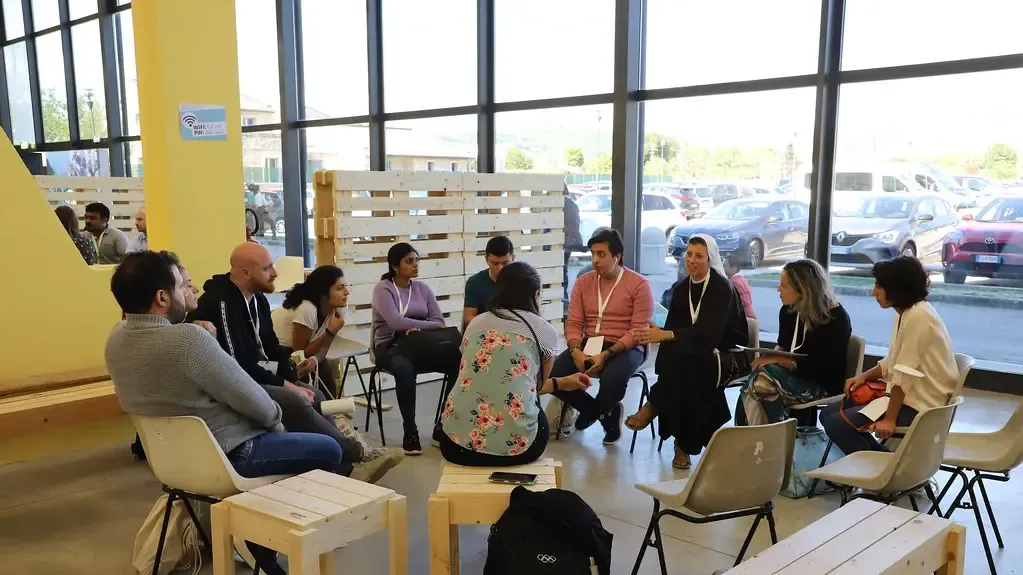
Participants came from across Europe to explore how businesses can operate without being extractive — in other words, without exploiting people, nature, or communities.
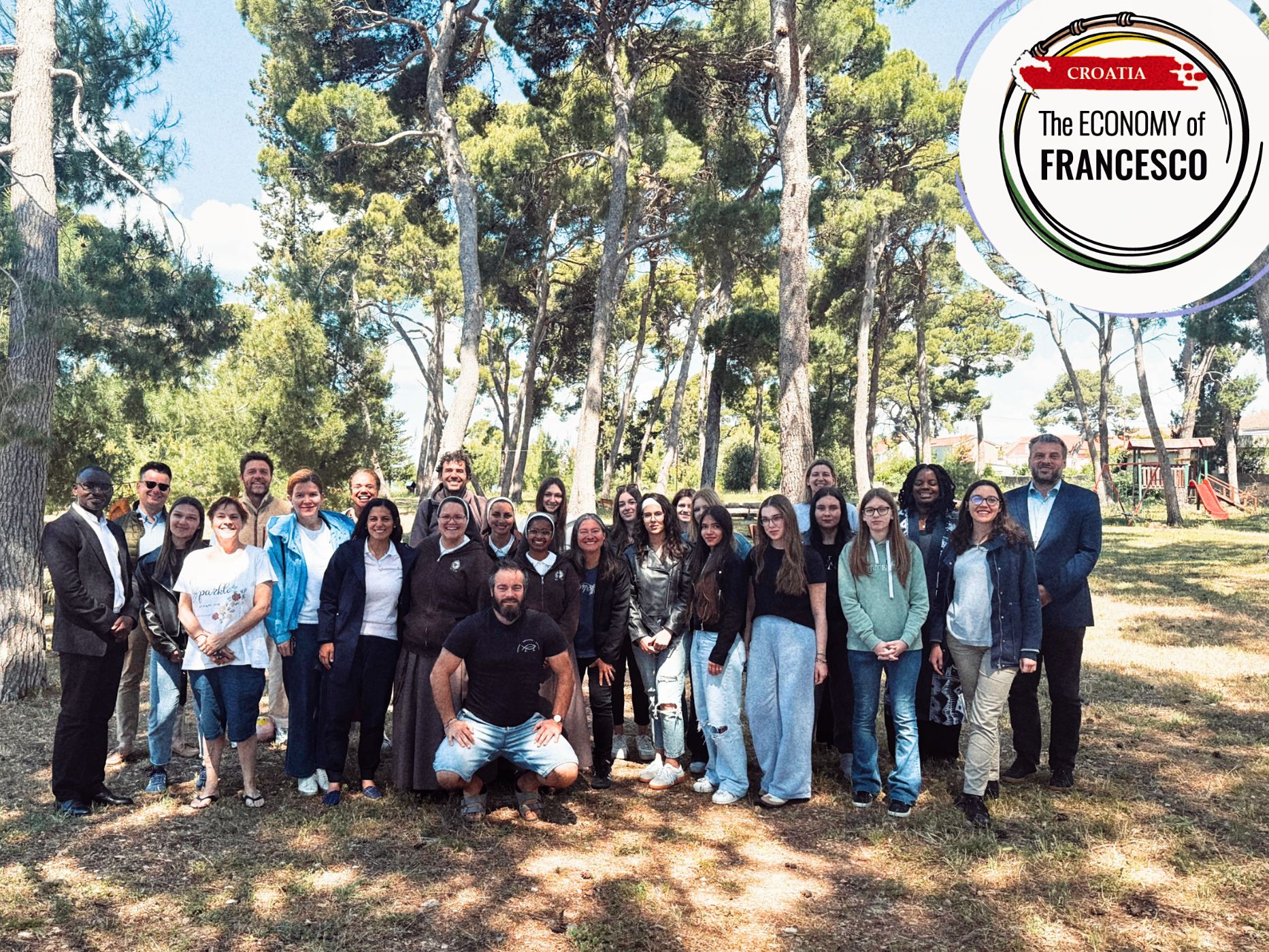
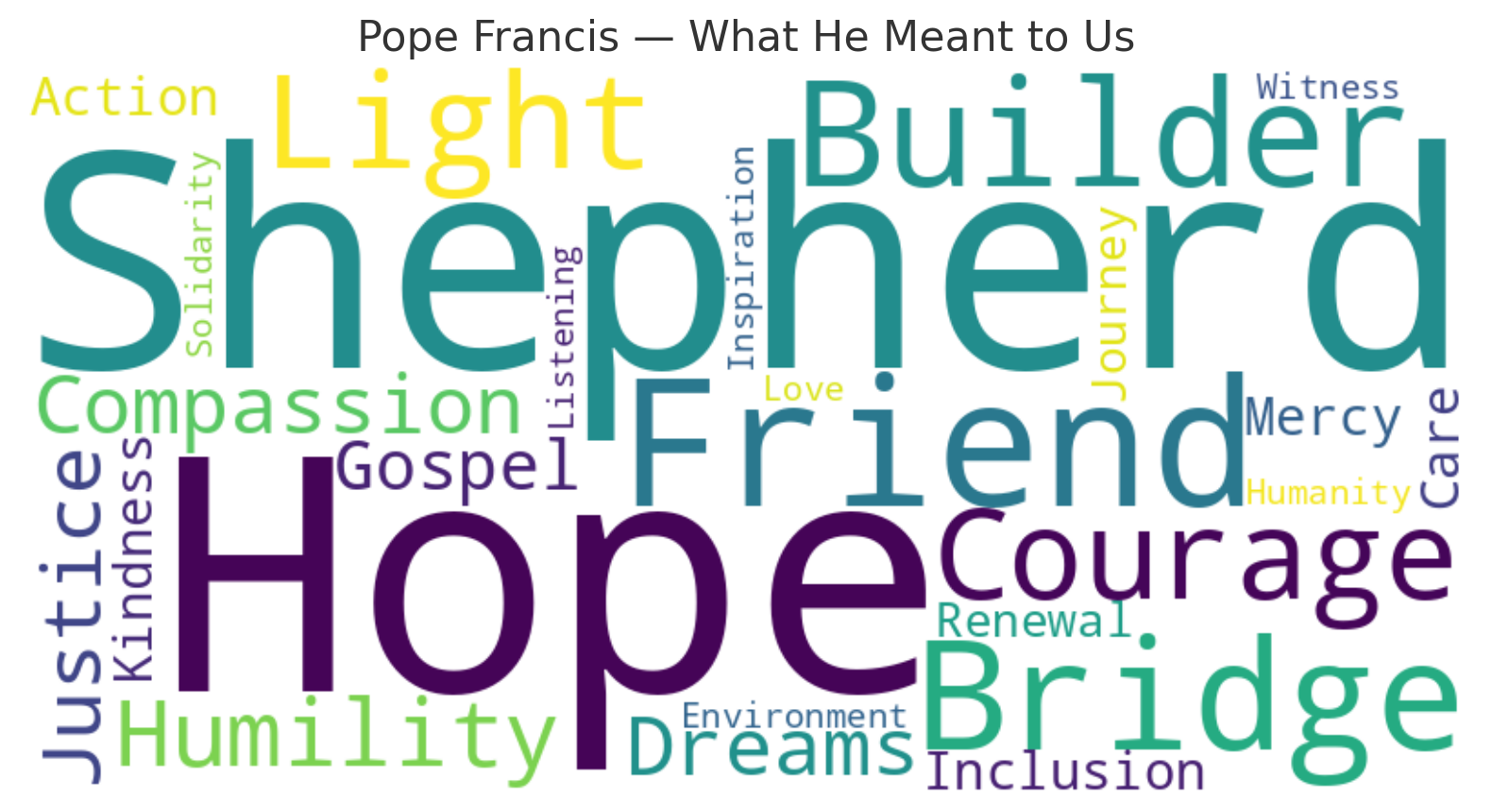
On the 26th of April of 2024 the Community of Economy of Francesco came together to pray, discern and share, with the intention to give a “see you soon” to Pope Francis.
E’ proprio così che i santi entrano nella nostra vita, trasformandola nella quotidianità, nelle abitudini e, nel mio caso, nella vocazione professionale.
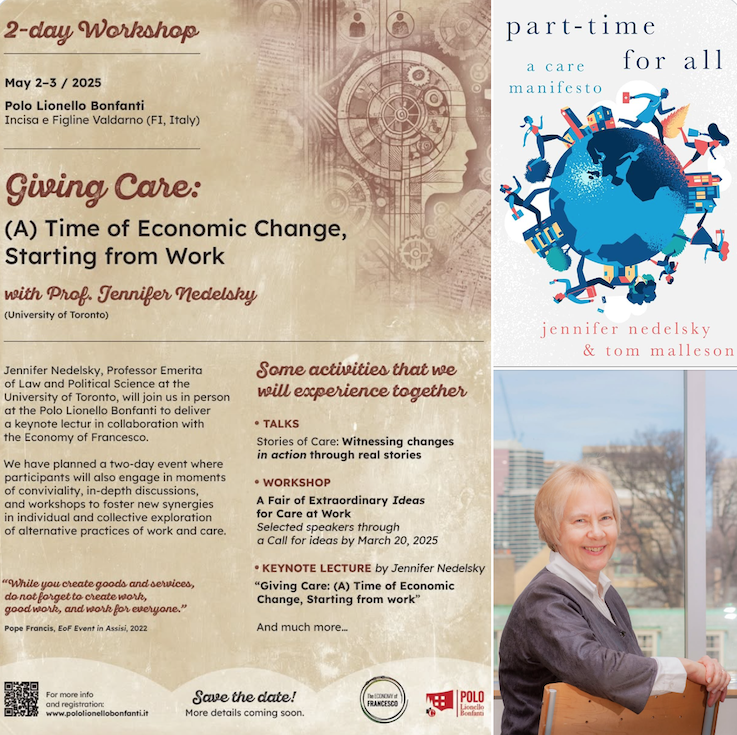
There are scholars and activists all over the world concerned about the state of “work” today, and others concerned about the crisis of care. But there are few who focus on the ways they are inevitably interconnected.


2025 © The Economy of Francesco Foundation | All Rights Reserved | Powered by TeamDev Ecosystem