#eofpeople
Defending the Earth, Regenerating Hope
by Luca Iacovone
published in Avvenire on 10/01/2025

When Wendy Omanga dives into the rapids of the Sagana River in Kenya with her kayak, it’s not just for sport. Through Rafting 4 Climate, she has turned river descent into an educational experience: students, activists, and local communities gather along the river to discuss climate justice, clean the riverbanks.
“Through our experience on the river,” she says, “we reconnect with the land. We comprehend the value of water and the responsibility we bear towards the earth.”
A former environmental communication student at the University of Nairobi, Wendy was named among the “25 Under 25 Climate Change Makers” by the African Union Youth Envoy. For her, regenerating the environment is not just an ecological goal — it’s a cultural and communal act.
Regeneration isn’t only about physical places. It’s also about how we measure our impact. Erika Rumiche, a young forestry engineer from Peru, educated at Universidad Nacional Agraria La Molina, understood this well.
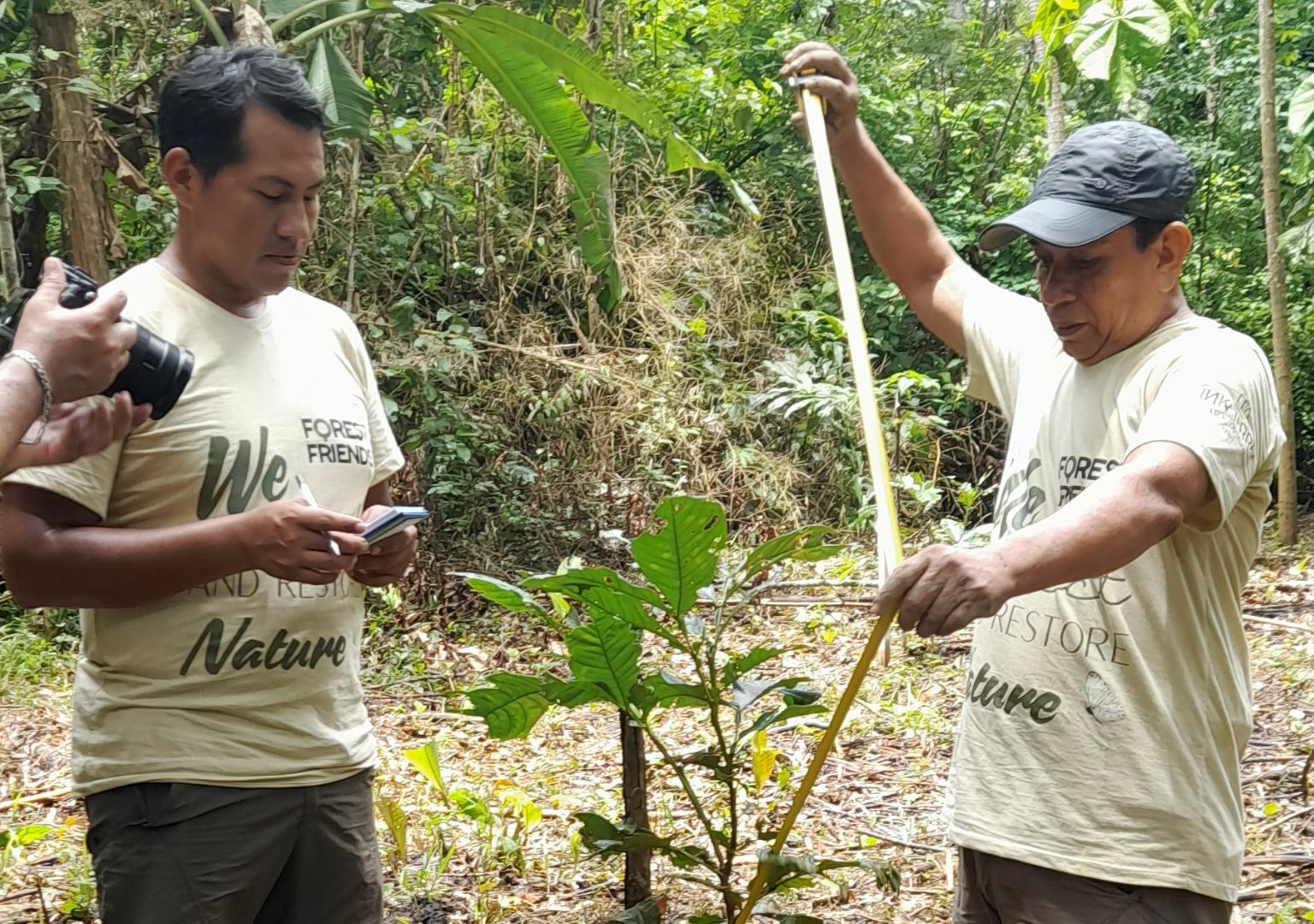
She created Forest Friends, an app that allows anyone to calculate their ecological footprint and contribute to forest restoration.
“It’s not just a calculator – it’s a bridge,” says Erika. A simple technology designed to engage students, families, and local communities in concrete reforestation actions.
And also to educate: Erika works in schools, raising environmental awareness and encouraging sustainable behavior among the younger generations.
The project also includes carbon offset initiatives through tree planting, carried out in partnership with local NGOs. From Peru to Kenya, a common vision emerges: regeneration is collective, and every step toward change can be an educational act.
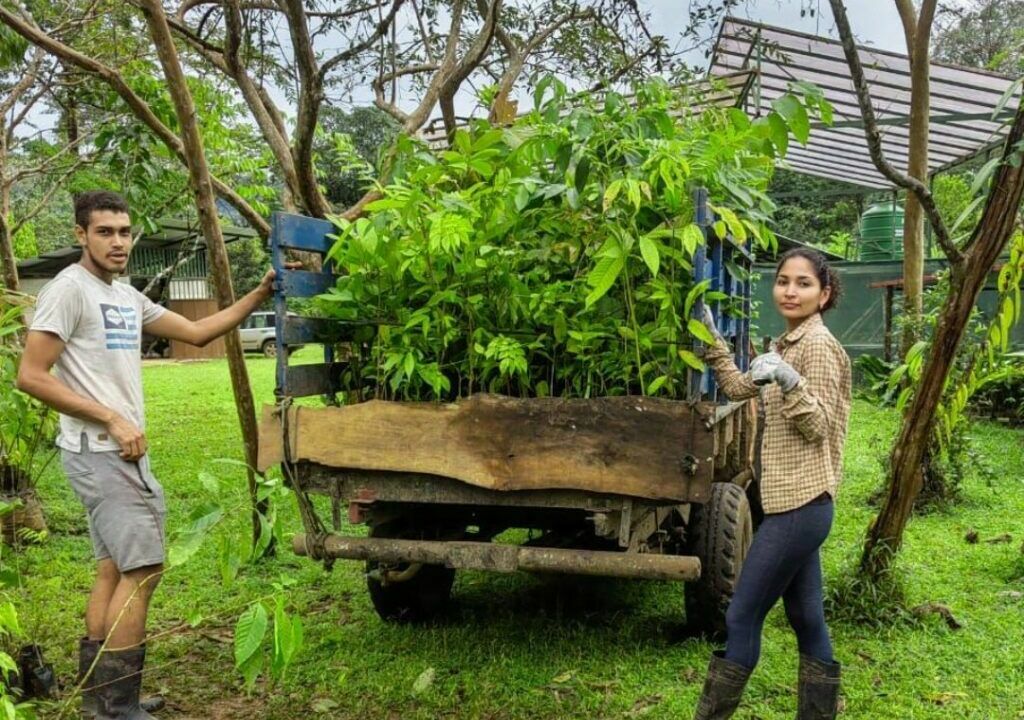
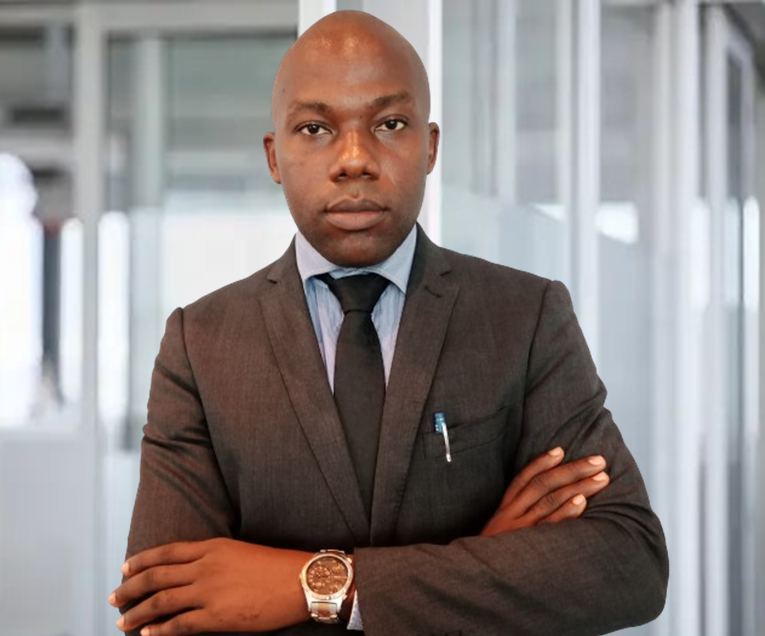
Joshua Okorie in Nigeria starts from the same place: land, people, biodiversity. His Biodiversity Islands take root in deforested areas and combine environmental protection with innovation.
“Each biodiversity island is a small jubilee for the Earth: a sign that a different economy is already underway.”
Joshua is the founder of BIG – Biodiversity Inclusion Growth, a project that aims to restore damaged habitats and generate value through circular economy models. He has integrated a blockchain platform into the project to certify regeneration actions, ensure transparency, and incentivize community engagement. The goal is to create a system that rewards those who care for nature, turning biodiversity into a common good and shared resource.
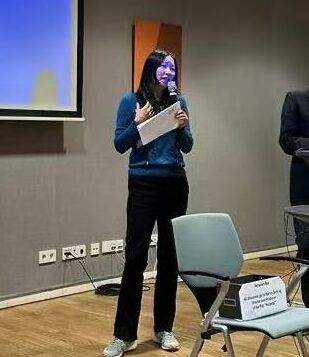
From the United States, Donni Wang offers an unexpected perspective: redesigning economic relationships through the lens of the golden ratio. In her Golden Ratio Economy, harmony and proportion guide the balance between “power, wealth, freedom, and love.”
“The golden ratio exists in nature, in the human body, in music. Why not in the economy?” she asks.
With an academic background in philosophy, theology, and economics — studied at Princeton and Yale — Donni explores the spiritual roots of economic thinking and proposes a new aesthetics of value. Her work invites us to rediscover the language of beauty and proportion as a compass for a more human economy.
Giving time back to the Earth, and eyes to hope — that is the thread connecting the stories of Wendy, Erika, Joshua, and Donni: local actions with the power to challenge the inertia of the present.
They are not talking about transition, but transformation. It’s not just about new technologies — we need new perspectives. It’s not enough to protect — we must regenerate lands, relationships, and language.
From Kenya to Peru, Nigeria to the United States, a new generation is drawing new maps to inhabit this Jubilee time: giving breath to the Earth, restoring balance, and changing how we measure value.
Their path will take them to Castel Gandolfo, from November 28 to 30, for Restarting the Economy, the global event promoted by The Economy of Francesco. There, together with hundreds of young people from around the world, they will continue to weave dreams and projects.
Because another economy is not just thinkable — it is already underway.
—
Discover the other stories: Caring Is Already Doing Economy