

There is a space between scientific research and divulgation. The EoF ProView wants to occupy that space. Through the publication of articles, the EoF ProView aims at disseminating knowledge related to The Economy of Francesco. As the name suggests, the focus is on the research of today that has a look to the future.
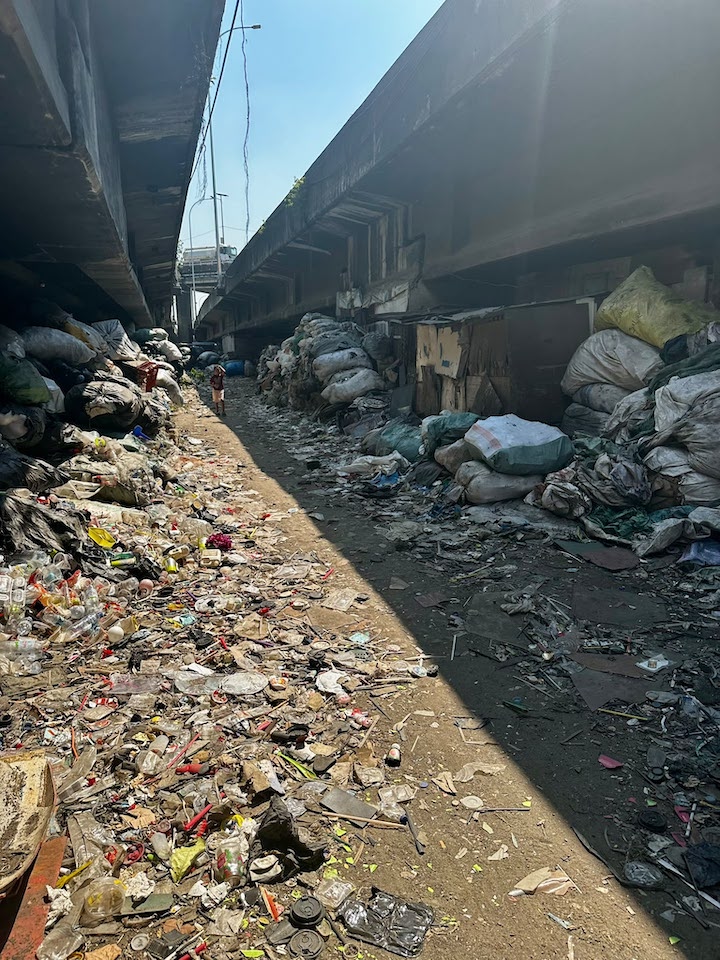
Making Hidden Vulnerabilities Visible: From Multidimensional Child Poverty to Environmental Health Risks
For a long time, poverty has been understood mainly in terms of income. Yet many of the factors that shape people's opportunities remain invisible when we rely exclusively on monetary indicators. Children may grow up exposed to violence, without opportunities for early stimulation, or in environments with limited access to basic services. Likewise, communities may face environmental risks that interact with socioeconomic disadvantages, creating multiple and overlapping forms of vulnerability.

Good Debt, Bad Debt: How Paid Family Leave Shapes Intra-Household Borrowing After Childbirth
How do paid family leave policies shape the way new parents manage debt? In today’s economy, paid family leave (PFL) represents a critical component of the social safety net, designed to protect families from the economic instability that can arise during significant care events, such as the birth of a child.
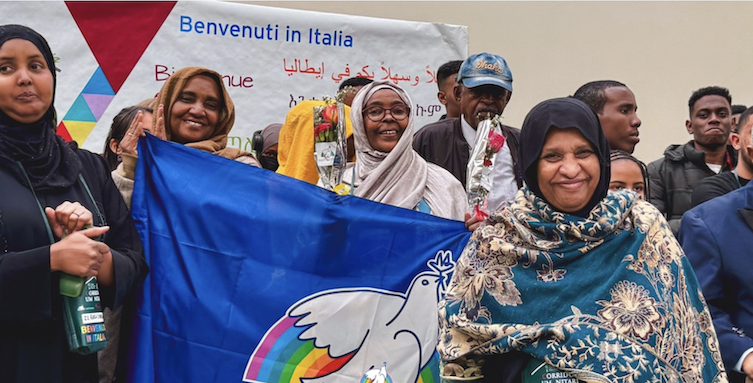
The Role of Interreligious Dialogue in the Labor Market Inclusion of Migrant Muslim Women in Italy: the Case of the Community of Sant’Egidio
This research examines the role of interreligious dialogue in supporting the labor market inclusion of migrant Muslim women (MMW) in Italy, with special attention to the Community of Sant’Egidio. The study is situated within contemporary Italian society, which has become increasingly multicultural through migration.

Caring for Creation Together: When Stewardship Becomes a Spiritual Practice
Hardin's conclusion was bleak: left to themselves, people will exhaust whatever they share, so the only way out is to privatize the resource or hand it to the state to police. For decades, this assumption framed the debate. We are selfish by nature, the thinking went, and shared goods need a fence or a fine to survive. But the story turned out to be more hopeful.

Immigration and Economic Growth: Evidence from Chile
Public debates about immigration often focus on whether migrants take jobs from native workers or affect wages. My research asks a different question: how does immigration influence the way firms invest and grow?
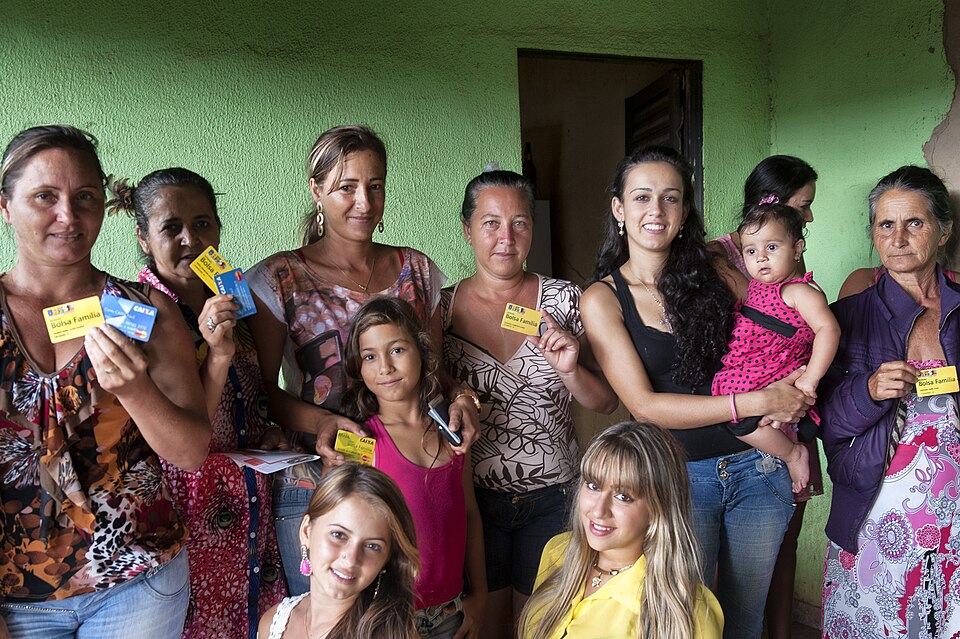
The Electoral Effects of Conditional Cash Transfers
While the benefits of CCTs are well established, the literature on the electoral gains derived from CCT implementation has found varying results regarding the response from voters after its introduction. A metastudy by Araújo finds generally positive impacts from CCTs on incumbents’ vote share, but articles such as Imai et al. for the case of Mexico document no effects on incumbent support or even electoral turnout