Agosto 2026
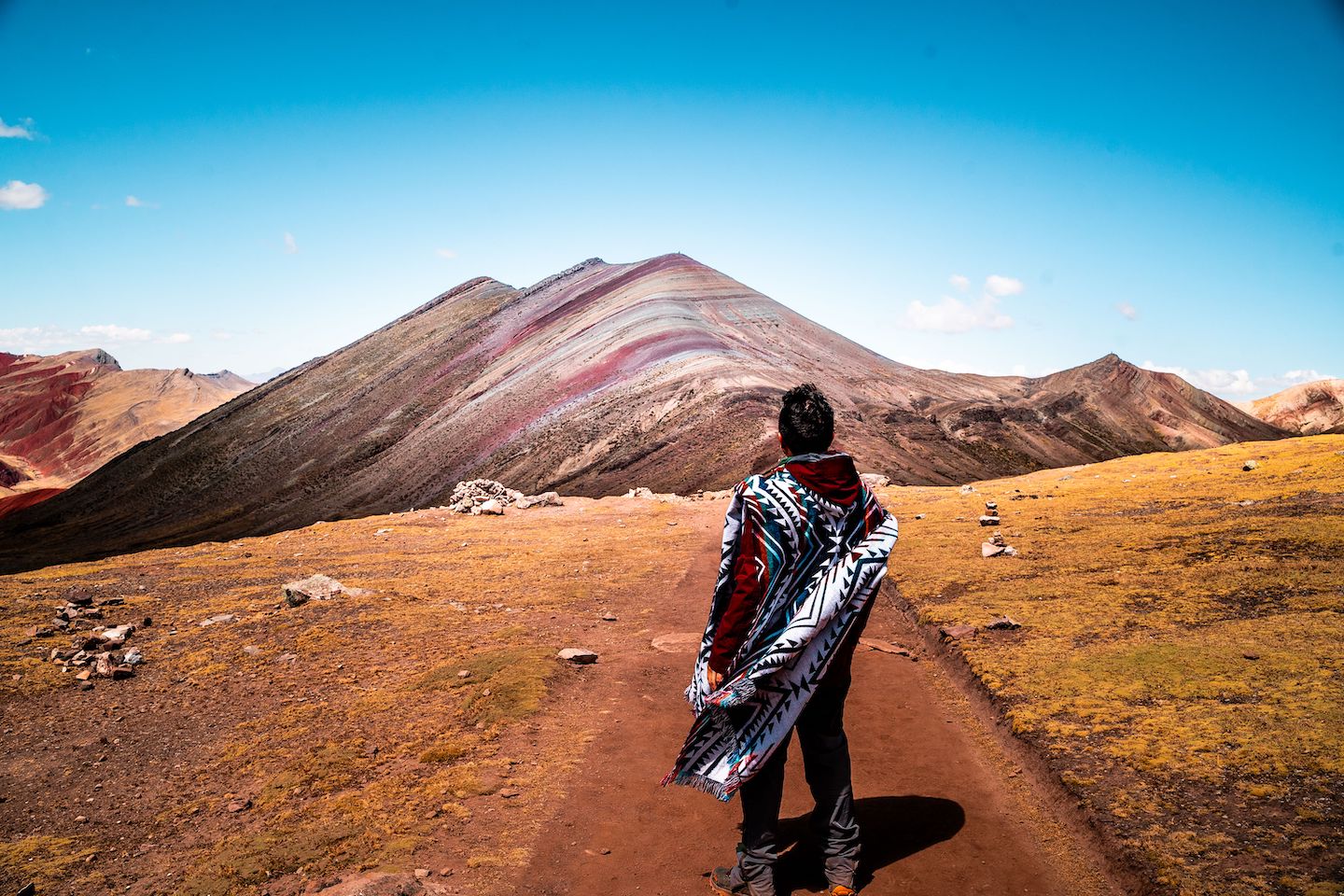
Can climate action be driven by humanity and ethics?
Peru exhibits seven of the nine primary factors that render a region highly susceptible to climate change risks, as outlined by the Peruvian Ministry of Environment. Despite this, progress on climate adaptation is slowing on all fronts when it should be accelerating, according to a United Nations Environment Program Adaptation Gap report, a failure that has massive implications for losses and damages, particularly for the most vulnerable.
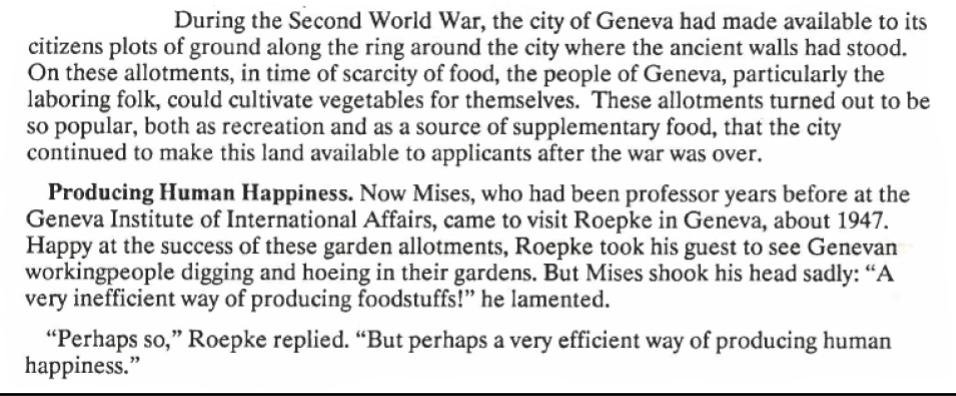
Ownership and the Humane Economy
We are taught to think about things in particular ways. The way we are taught to see the world, and the “rules” that structure it, change how we interpret the world. The limits of our moral imagination - including the potential to envision an economy befitting human dignity and supporting the common good - are often calcified as a result of this early formation.
Luglio 2026
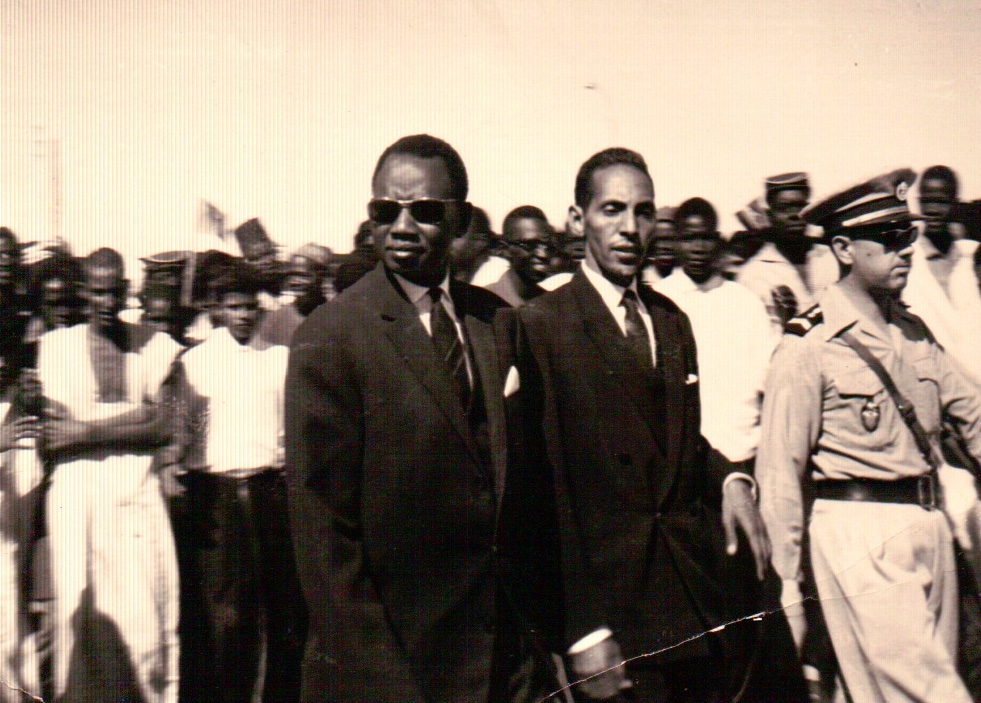
Between “reality on the ground” and a “new humanism”: the anthropology of Mamadou Dia
While the latter explores competing imaginaries of economic solidarity in contemporary Senegal, my EoF fellowship research has allowed me to situate current developments within a longer history of local economic thought, by excavating local ideas around “alternative” and “solidarity” economies, and the way that economic thinkers have drawn on anthropology and theology. A particularly interesting figure in this regard is Mamadou Dia.
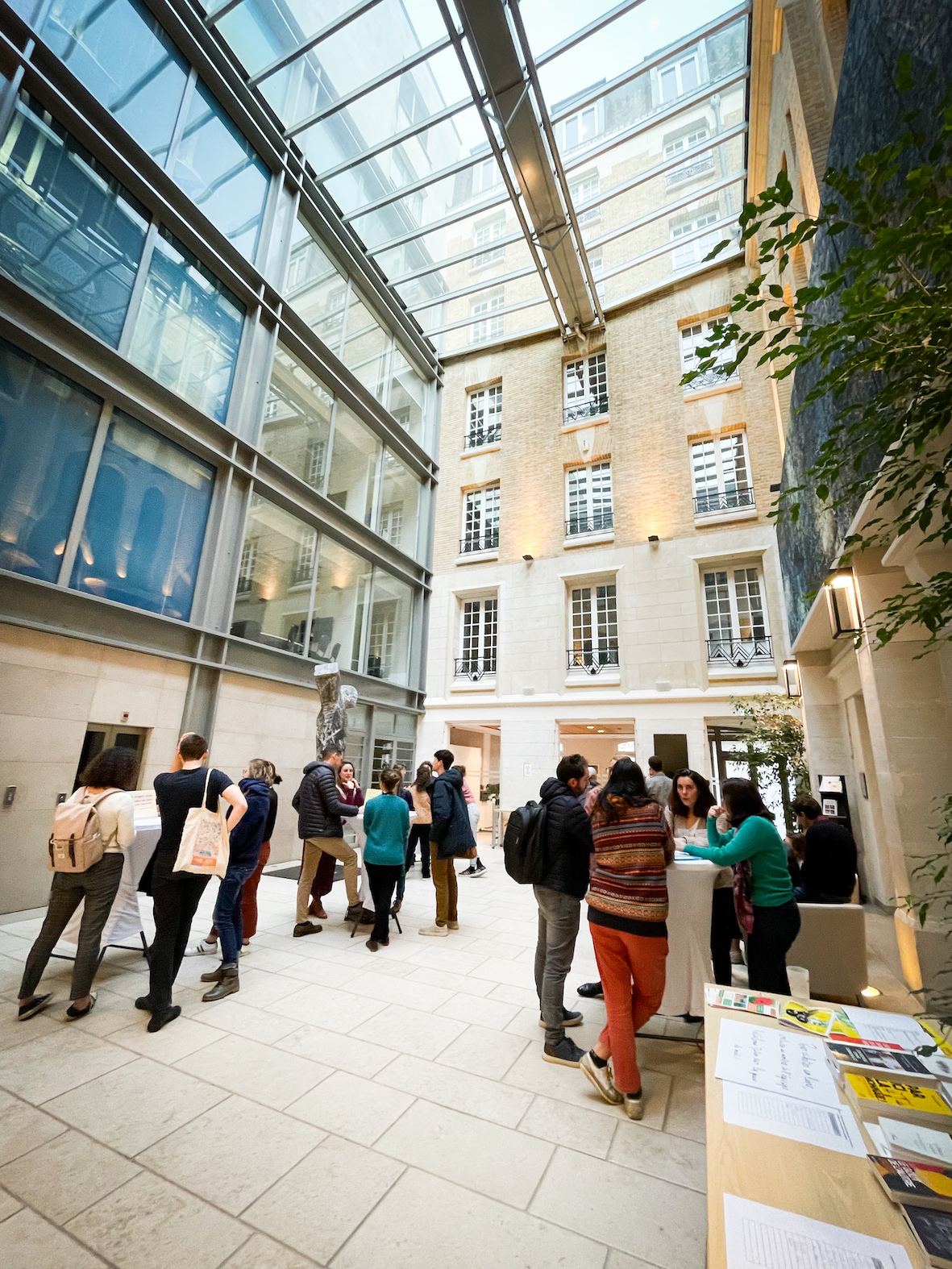
What Students Are Willing to Trade for a Politically Aligned Campus
Imagine you are eighteen, finishing high school in France. You have to pick which university to apply to. Two are open to you, offering the same field of study. But under different conditions.