#eofpeople
From the margins,
where the most vital innovation is born
by Luca Iacovone
published in Avvenire on 11/12/2025
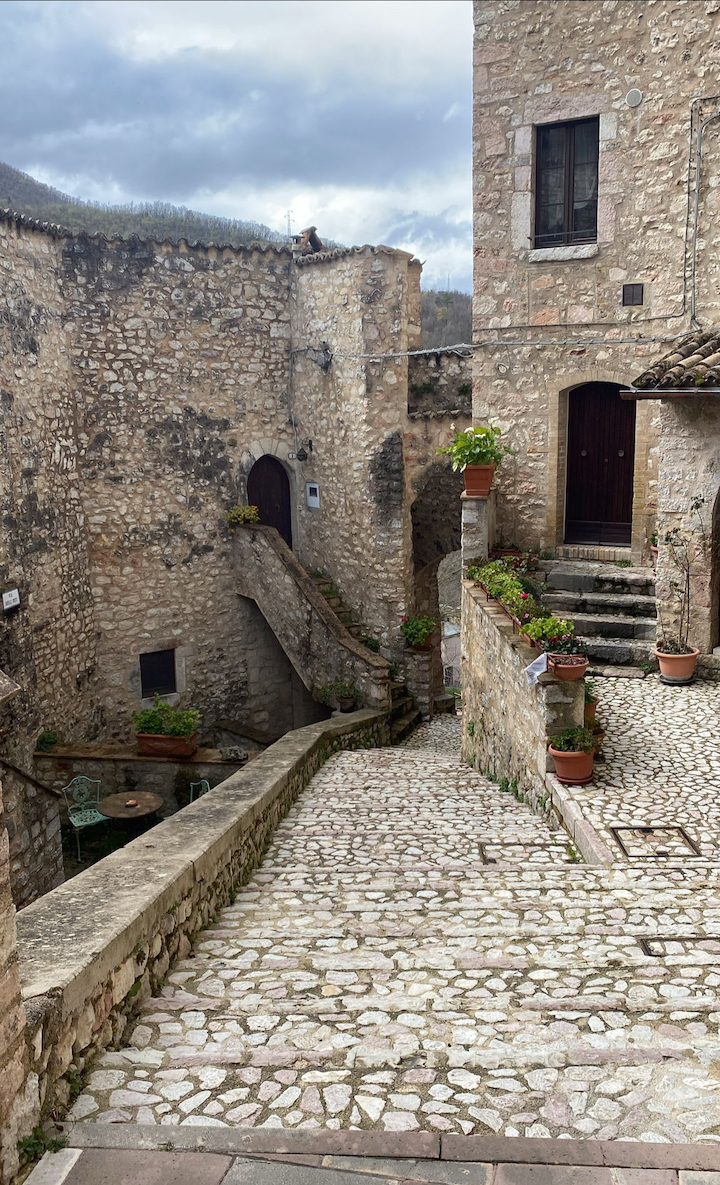
There are places the economy has stopped looking at: towns far from big cities, areas that seem faded on the map. Inner regions, outskirts, margins where services are scarce and opportunities thin out. And yet, it is precisely there that some of the most vital ideas often emerge — ideas that sprout from the ground up as collective responses to shared needs. In these places, innovation is not a trend; it’s an act of survival.
In Italy, Martin Pizzoni has decided to dedicate his research to these forgotten territories. At 23 years old, with a background in Innovation Management between Trento and Pisa, he is now pursuing a PhD at Ca’ Foscari University in collaboration with SKEMA Business School in Nice. His project begins with a simple yet radical question: how can innovation be born in places where everything seems to stand still?
For Martin, marginal areas are laboratories of the future. “In many inner areas of Europe,” he writes, “there are people and communities experimenting with forms of social, economic, and cultural regeneration — with no resources, but with great human and relational capital.” His research observes how local initiatives — cooperatives, associations, social enterprises — manage to turn the absence of infrastructure into widespread creativity, and to mend relationships where distance had created isolation.
For him, to innovate does not mean importing urban models, but rediscovering the ability of communities to imagine their own development. There is no single formula, but many attempts, born from below: citizenship laboratories, regeneration of abandoned spaces, local economies. “Marginal areas,” he says, “should not be considered the system’s leftovers, but places where new ways of living together are being tested.”
It’s a different way of reading geography: no longer center and periphery, but connections and flows of ideas moving in both directions.
From the heart of Africa, meanwhile, comes the voice of Michèle Lameu Djeutchouang, a researcher from Cameroon. Her work explores another kind of innovation: the invisible kind, born from the narrative capital of communities — from the stories that preserve and transmit meaning. “We risk forgetting forms of value that cannot be measured in money,” she writes in her research dedicated to Idente Youth, a youth organization founded on spiritual and civic ideals.
For Michèle, giving value to these narratives means recognizing the transformative power of relationships — people’s ability to regenerate trust, motivation, and shared horizons. This perspective also concerns marginal territories: where material resources are scarce, shared storytelling becomes an economic resource, capable of shaping new projects, strengthening collective identity, and sustaining cooperation.
Michèle studies how stories, motivations, and shared values generate social cohesion and contribute to building what she calls an economy of meaning. In her analysis, forms of capital are not only economic but also symbolic, cultural, and relational — what holds people together in a community and drives them to act for the common good.
“An organization founded on values doesn’t only produce services,” she explains, “it produces relationships, identity, belonging.” Through an approach that combines economic theory, sociology, and spirituality, Michèle shows how value-inspired organizations — like Idente Youth — contribute to the social sustainability and civic renewal of territories. It’s work that intertwines academia and life, bringing economic reflection back to its place of origin: the community. “Authentic innovation,” she writes, “is born when we learn to look at the margins not as places of absence, but as living territories, capable of teaching us new ways to inhabit the future.”
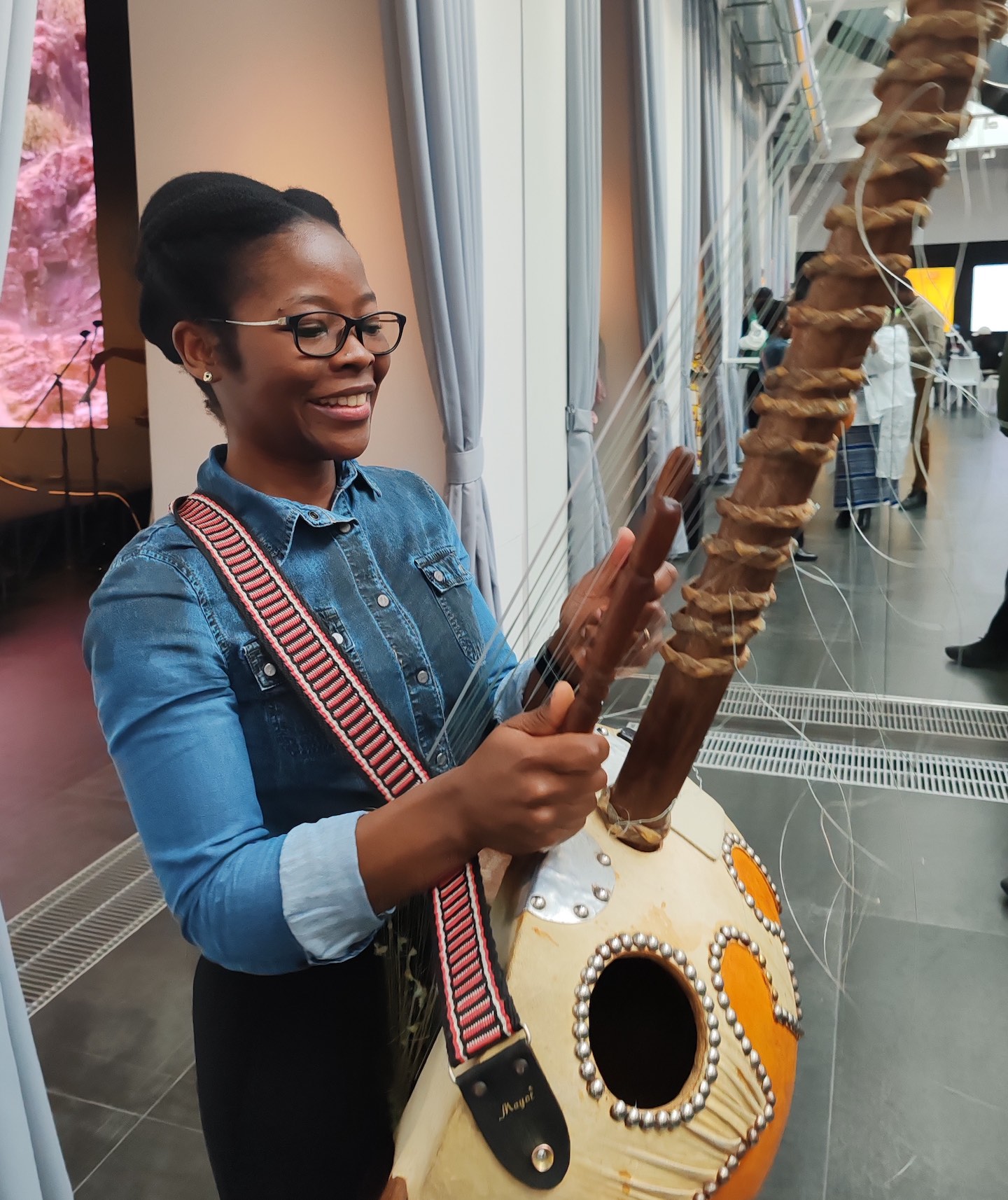
In contexts worlds apart — a village in the Apennines and a neighborhood in Yaoundé — Martin and Michèle share the same intuition: that the economy is made not only of indicators but of stories, relationships, and daily choices. In both cases, the frontier of innovation is the human being.
At the end of November, they will meet in Castel Gandolfo, along with hundreds of young people from around the world, for Restarting the Economy, the global summit promoted by The Economy of Francesco. In a jubilee year dedicated to forgiveness and regeneration, their journeys remind us that change does not come only from the great centers of power, but from the margins — from those who inhabit the fractures and decide to transform them into the future.
—
Discover the other stories:
Caring Is Already Doing Economy