From a Coding Classroom to a Book:
What the Economy of Francesco Taught Me About Africa’s Wealth
by Patrick Mwanza
When I helped found PACAR School now teaching coding across nine schools in four Zambian cities I believed we were building a solution. Give young people a skill the world needs, and the rest would follow: jobs, income, dignity, a way out of dependence.
It has taken time and continues to take more time in these classrooms, watching bright students graduate into an economy with too few places for them, for a harder truth to surface. We were not solving the problem. We were and still are treating one of its symptoms carefully, sincerely, and still only a symptom. The real question was and still is larger than any single school could answer: why does a continent this rich in resources, in people, and in ingenuity keep producing outcomes this poor? Why does the wealth get wasted before it ever reaches the people who created it?
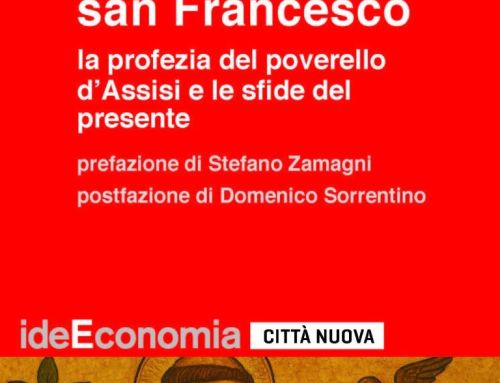
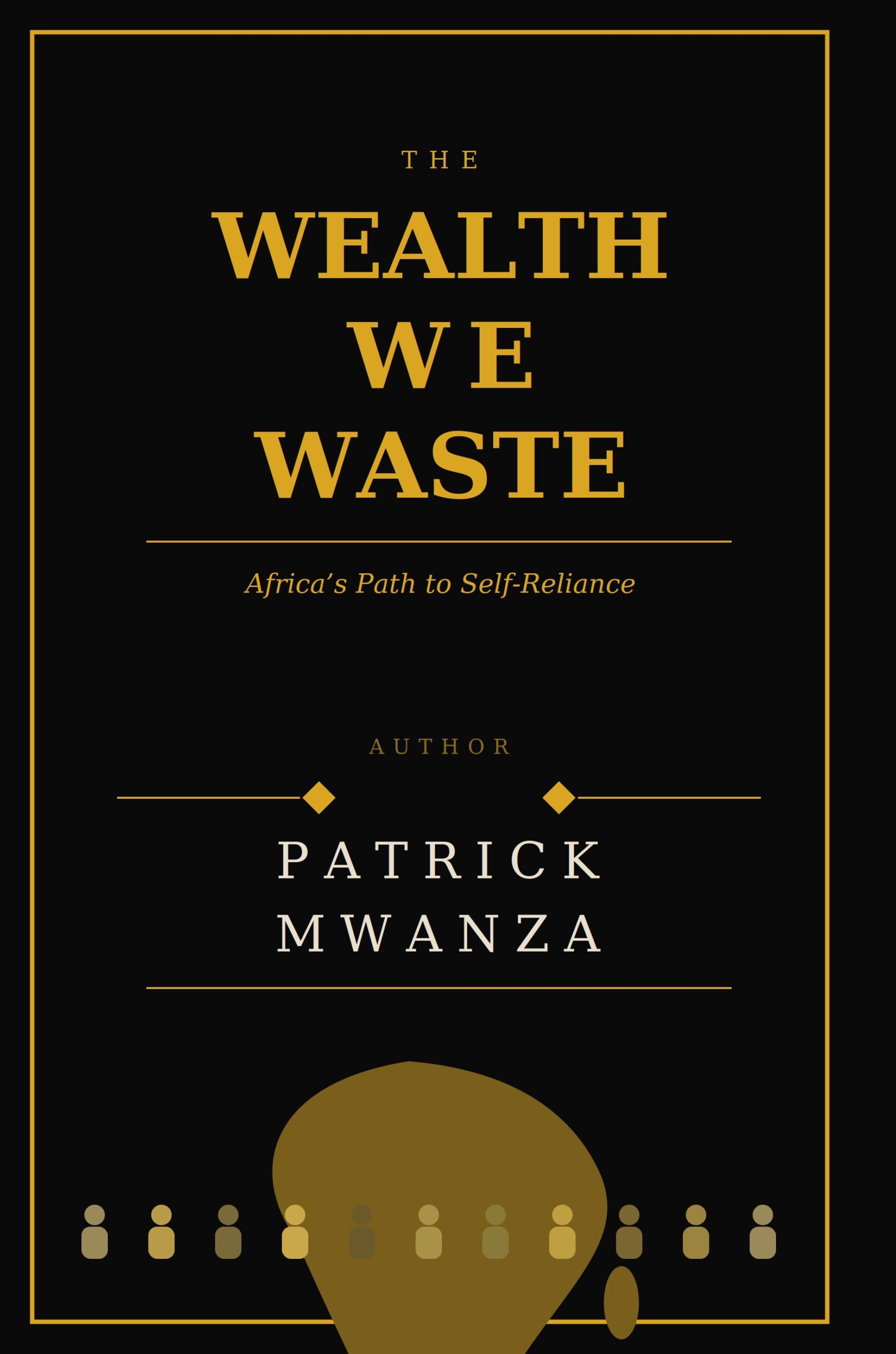
That question became a book: The Wealth We Waste: Africa’s Path to Self-Reliance.
I do not think I would have arrived at that question or had the courage to spend years answering it without the Economy of Francesco. This movement gave me something rare: a community of people from across the world who treat economics not as a fixed science to be accepted, but as a human system to be examined, questioned, and rebuilt around dignity rather than extraction. Sitting among young economists, entrepreneurs, and changemakers who took seriously the idea that “another economy is possible” gave me permission to think structurally rather than charitably to ask not “how do we help more people” but “why does the system keep requiring so much help in the first place.”
That distinction runs through the whole book. The Wealth We Waste argues that Africa’s persistent poverty amid abundant resources is not primarily a failure of effort, talent, or even governance alone it is the predictable result of structures built to move wealth outward rather than root it locally. From colonial-era extraction patterns that never fully ended, to modern debt-financed infrastructure deals that quietly repeat the same logic, the book traces how the continent’s raw wealth is converted into other people’s prosperity, again and again, often with the best of intentions on all sides.
But the book is not a lament. In the spirit of the Economy of Francesco itself, it is a proposal.
I outline concrete, original policy mechanisms designed to keep value at home: an Equal Democratic Compact giving citizens real stake in resource governance; a Mandatory National Skills Attachment connecting education directly to economic self-reliance, born from what I learned watching PACAR School’s own graduates; a Sovereign Wealth Labour Pension; and a Sectoral Labour Framework to align national labour policy with long-term wealth retention.
Each proposal asks the same underlying question the Economy of Francesco asks of every economic system: who is this actually built to serve?
PACAR School and this book are, in the end, the same project at two different scales one teaches a handful of students to build; the other argues for building differently, continent-wide. Both were shaped by the same conviction I first encountered within this community: that a more just economy is not a utopian dream but a design problem, and design problems can be solved by people willing to do the patient, unglamorous work of asking why.
I am grateful to the Economy of Francesco for being the place where I first learned to ask that question properly, and I am glad to share this next step of the journey with the community that helped shape it.
—
Patrick Mwanza
Co-founder, Pacar School