What does Saint Francis of Assisi
have to do with economics today?
have to do with economics today?
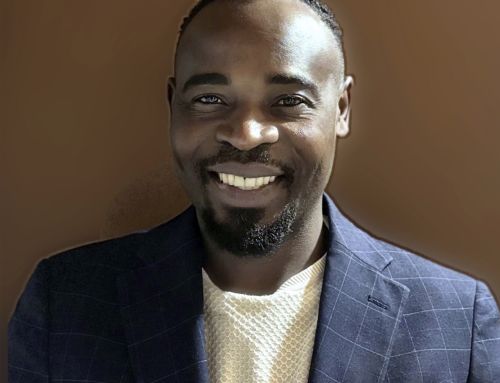
by Azelma Rwantango
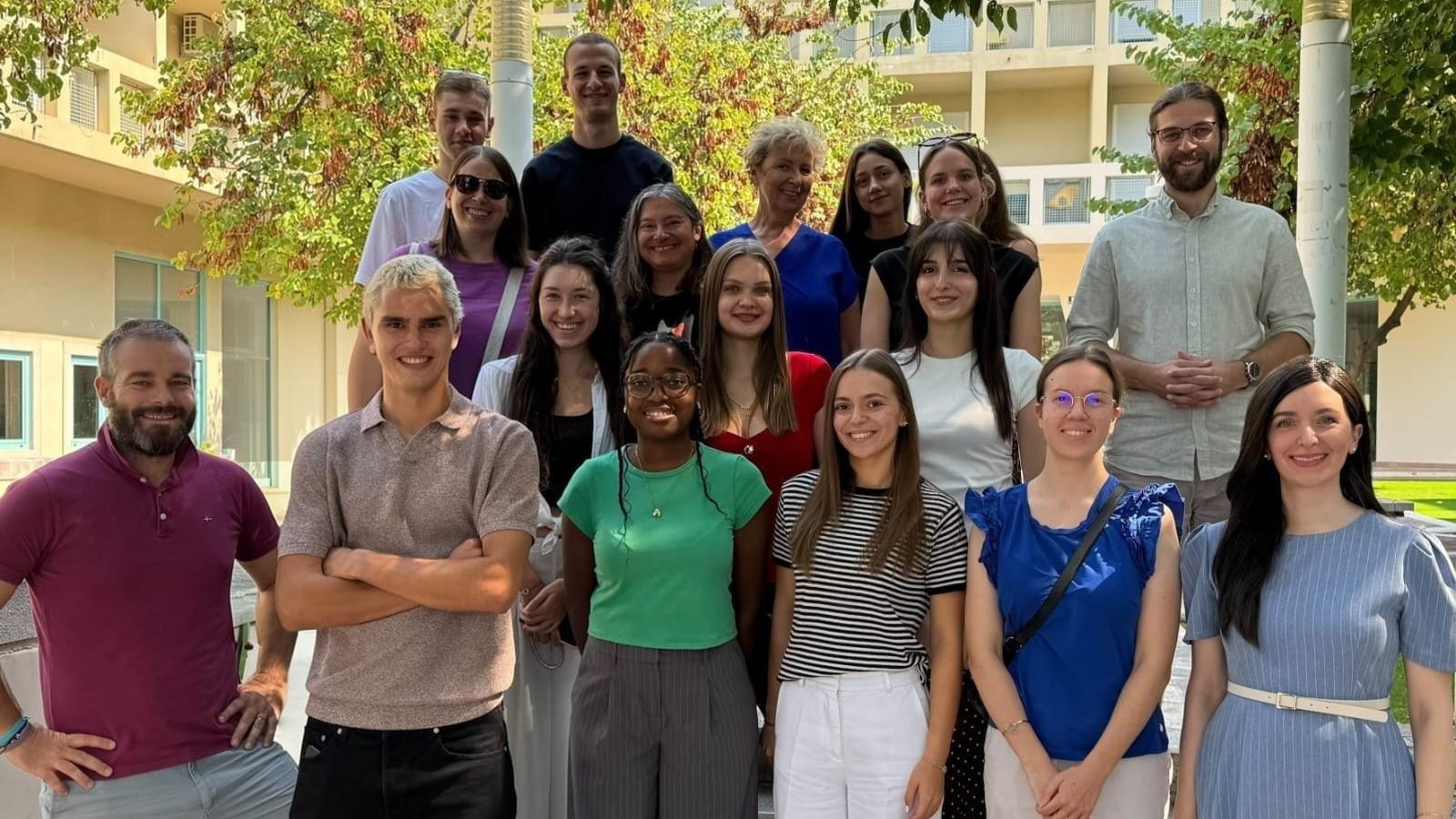
That was one of the first questions I had when I heard about The Economy of Francesco European Summer School in Split, Croatia. I was curious, although I wasn’t entirely sure what to expect. An economy inspired by Saint Francis sounded fascinating, but I wondered how I would connect with its religious background as a communication student. Looking back, that uncertainty was part of what made the experience so interesting.
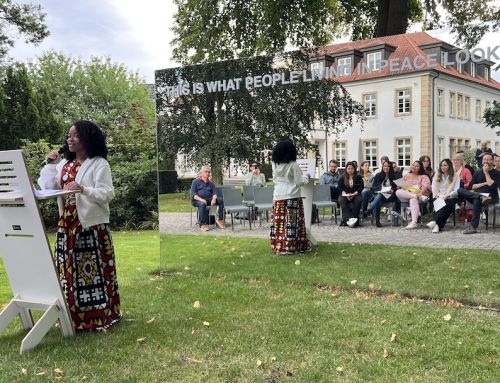
We arrived with different backgrounds and beliefs, but there was a sense of mutual respect from the beginning. I never felt that everyone had to think alike. There was room for different opinions, and that made the conversations much more interesting. The opening evening, the Fratelli Tutti Festival, was a lovely introduction to that atmosphere.
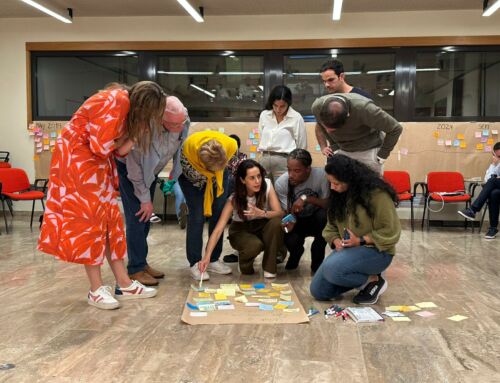
The programme introduced us to different ways of thinking about economics and other subjects. We explored how solidarity can influence business decisions and how communication can bring people closer together. What I particularly appreciated was discovering how relevant these discussions were beyond a strictly religious setting. The Economy of Francesco draws inspiration from Saint Francis, but many of its ideas speak to questions that concern all of us.
Our visit to Međugorje in Bosnia and Herzegovina was a special example of this. Standing together on the mountain, sharing a moment of silence, I felt a sense of belonging that was difficult to put into words. We did not all experience that moment in the same way, but somehow that did not seem to matter. Later, we shared a meal together and I remember how naturally the conversations continued. There was something beautiful about moving from the quietness of the mountain to the simplicity of sitting around a table. It made me wonder whether faith can sometimes bring people together in ways that go beyond religion itself. Another moment that stayed with me was Darko Rapić’s session on solidarity and migration. It made me curious about the way we discuss migration in Flanders,Belgium, particularly in relation to labour shortages. We often speak about the workers our economy needs, but what does it actually mean to welcome the people behind that work? That question became the starting point of my paper, “Welcomed or only needed? Immigrants and the Flemish labour market through the lens of the Economy of Francesco.”
What I appreciated most about the Summer School was being able to approach these ideas from my own perspective. I did not need to share everyone’s relationship with faith to feel included in the conversations. And perhaps that is part of what faith is about: creating space for others, even when they see the world differently. I keep coming back to the story of Saint Francis and the leper, which I also explored in my paper. The leper did not have to change for Francis to recognise him as a brother. Francis was the one who changed the way he saw the person in front of him.
Maybe that is what I will remember most from this experience. Belonging does not begin when we become more alike, but when we make room for one another as we are.