Three Research Grants,
Three Questions for the Economy
Every research project begins with a question.
How do stories shape economic institutions? What changes when we look at the economy through relationships, care, and the goods we share? Can fraternity become something we are able to observe, understand, and even measure?
These questions point to three areas of research that The Economy of Francesco Foundation is supporting through its 2026–2027 research grants, developed in partnership with the Italian Episcopal Conference (CEI) – Service for the Promotion of Economic Support to the Catholic Church (SPSE) and Università LUMSA (Italy).
Over the coming year, Stefano Rozzoni, José Andrés Cano Rodríguez, and Tony Persico will pursue these questions from very different starting points. Their research will look at the spiritual resources and stories that shape people, communities and institutions; bring questions about relationships, care and human work into conversation with the technological transformations of our time; and face the formidable challenge of making fraternity visible through data.
Different questions, different methods, different fields of inquiry. Together, they open space for aspects of economic life that are difficult to capture, but impossible to ignore.
Meet the three researchers and discover the work they are about to begin.
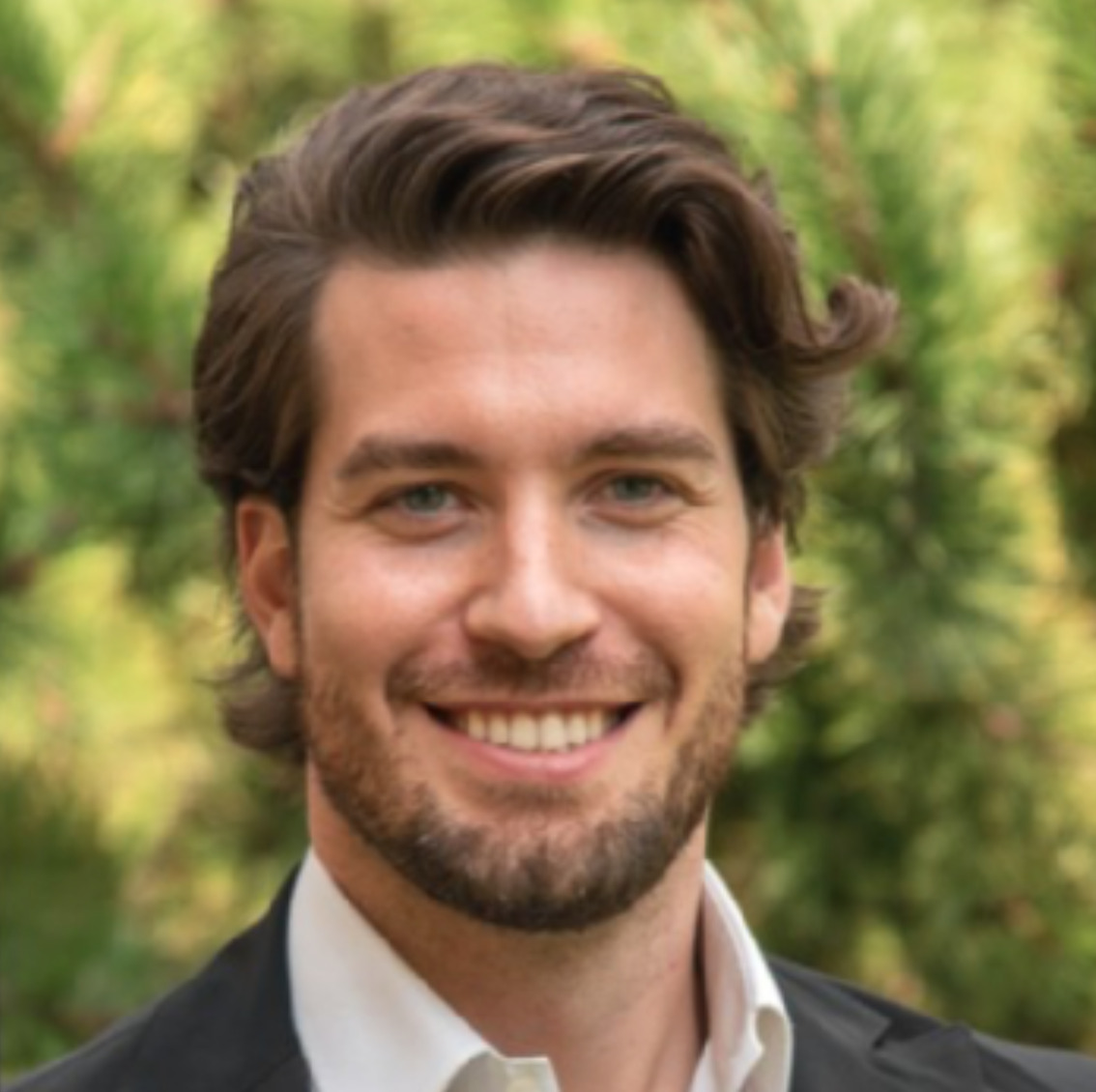
Stefano Rozzoni holds a PhD in Transcultural Studies in Humanities and is a postdoctoral research fellow and lecturer at the University of Bergamo. Active in EoF, he co-edited with Plinio Limata The Economy of Francesco. A Glossary to Repair the Language of Economics (UCP Editora, 2024).
“This grant is an important recognition that transdisciplinary research can offer valuable trajectories for navigating today’s complexity. The project I have the honour to coordinate investigates ‘spiritual capital’ and ‘narrative capital’: emerging notions overlooked by mainstream economics, which draw attention to the inner and collective spiritual resources of individuals and communities — important, existential resources in which we are growing poorer — and to the transformative power of stories. With an international research group, we will clarify and operationalise these concepts, producing academic and more accessible publications and designing workshops to support the EoF community’s effort towards an ‘economy with a soul’.”
José Andrés Cano Rodríguez
Common goods, relationships, fraternity and care in the contemporary economy
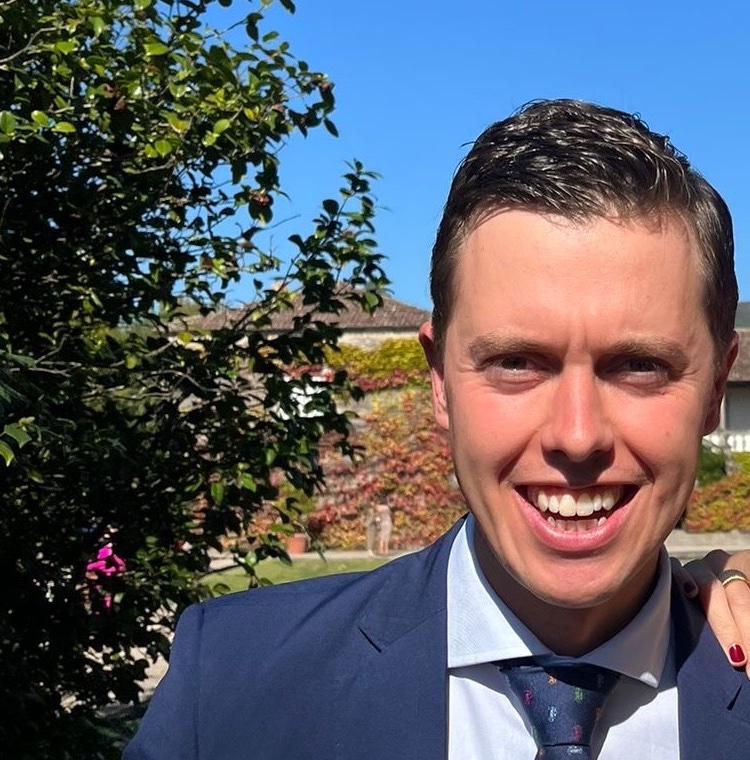
José Andrés Cano Rodríguez is a PhD candidate in Political Philosophy at Pompeu Fabra University in Barcelona, Spain, where he researches the normative implications of automation for work.
“I first encountered EoF at the La Verna 2023 Summer School, where I had the chance to meet wonderful people. I am now thrilled to collaborate with some of them and put my research at the service of EoF. In a time of disruptive technological innovation, automation debates are often split between economic accounts that measure it in terms of efficiency and welfare, and post-work arguments that question whether employment is worth preserving at all. In this project, I aim to offer an analytical reconstruction of Catholic Social Teaching’s account of work and put it in dialogue with these debates, showing how it can offer a richer standard for what automation should preserve.”
Tony Persico
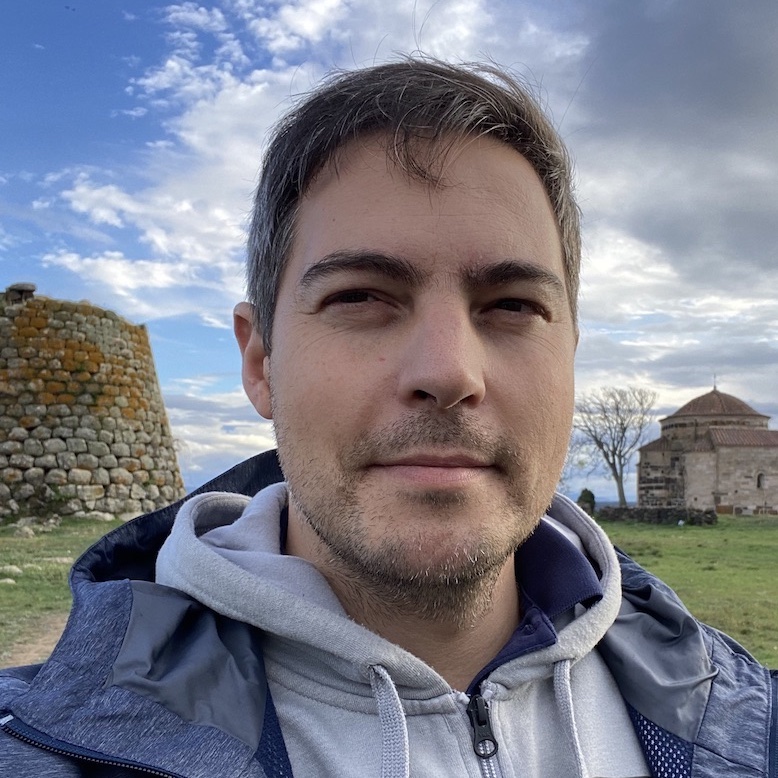
Tony Ernesto Persico is a senior economist at the Italian Ministry of Economy and Finance and a John Paul II Postdoctoral Fellow at the Pontifical Academy of Social Sciences.
“Receiving the EoF Research Grant gives me a chance to reflect on what fraternity means in our communities, and to do so alongside some of the leading social researchers in the field. All of us know how much social relationships matter, but showing this in a data-driven way is a formidable academic challenge. As an economist working at the crossroads of empirical methods and ethics, I hope my econometric and modelling experience will be useful to the team’s work in data mining and survey analysis. My hope is that this research gives fraternity a measurable footing and reaffirms its place on the global policy agenda. Recognising that we are all one family is a transformative task, one that touches our local communities, our international relations and the ecosystems we inhabit.”
Questions worth pursuing
Over the next year, these three grants will give researchers the time and space to pursue questions that do not always fit neatly within established economic categories: the spiritual and narrative resources that sustain people and institutions; the place of relationships, care and the meaning of work as technology reshapes economic life; and the possibility of making fraternity more visible in the way we understand societies.
The research is only beginning. We look forward to following Stefano, José Andrés and Tony as these projects develop — and to bringing their questions, methods, and findings into the wider conversation of the Economy of Francesco.